In the world of small offices, every square foot counts. It’s a game of Tetris where the right layout can make the difference between a bustling hive of productivity and a chaotic maze of confusion. Picture this: your team is crammed into a space so tight that even the houseplants are fighting for air. But fear not! A well-thought-out office layout can transform that cramped cubby into a collaborative wonderland.
Imagine a space where creativity flows as freely as the coffee. With the right design, small offices can maximize efficiency and foster teamwork without sacrificing comfort. It’s not just about fitting in desks and chairs; it’s about creating an environment that inspires and motivates. Let’s dive into the art of small office layouts and discover how to make every inch work for you—because who says great things can’t come in small packages?
Table of Contents
ToggleImportance Of Small Office Layout
A well-planned small office layout boosts productivity by maximizing limited space. Effective organization of workstations enhances workflow and minimizes distractions. Cohesive design elements encourage teamwork and communication among employees. Every square foot has value, so creating functional areas is essential for maximizing efficiency.
Comfort plays a significant role in employee satisfaction. Thoughtful layouts incorporate elements like ergonomic furniture and natural light, promoting well-being. Spaces that support a variety of working styles cater to different employee needs, which fosters creativity and innovation.
Flexibility within the office design is vital. Adaptive spaces allow for quick reconfiguration, enabling teams to collaborate seamlessly. Open areas can encourage spontaneous discussions, while private nooks create opportunities for focused work.
Moreover, a strong visual identity aligns with a company’s brand. Unique design touches reflect company culture and values, making the office more engaging for employees and visitors. Potential clients often perceive well-designed spaces as more credible and professional.
Data indicates that effective office layouts can lead to a 20% increase in employee productivity. Companies experience reduced absenteeism and higher employee engagement levels in thoughtfully designed work environments. Prioritizing small office layout benefits not just the organization but also enhances individual work experiences.
Key Elements Of Effective Small Office Layout
Effective small office layouts prioritize functionality and comfort, transforming limited space into a hub of productivity and collaboration.
Space Planning
Space planning focuses on arranging workstations, meeting areas, and communal zones efficiently. An open layout encourages interaction while assigned desks provide dedicated workspaces. Clear pathways enhance mobility, preventing overcrowding. Adding multifunctional furniture maximizes utility; for instance, foldable tables or modular seating adapt easily to changing needs. Setting aside quiet zones fosters concentration, balancing collaboration with individual focus. A designated storage area reduces clutter, contributing to an organized environment. Companies that utilize strategic space planning often experience enhanced workflow and improved employee satisfaction.
Ergonomics
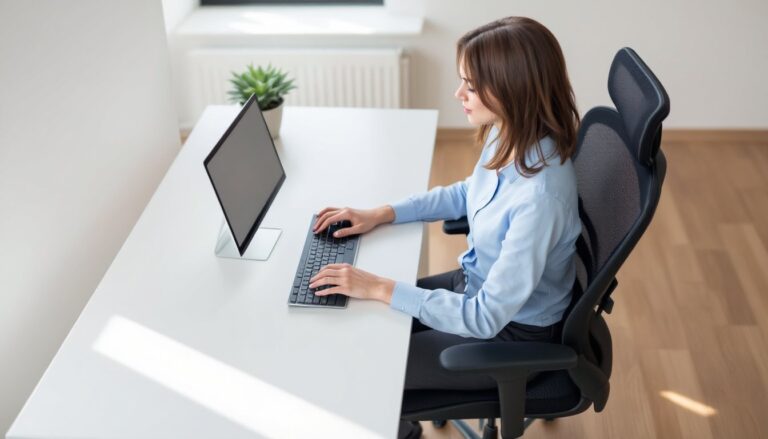
Ergonomics in small offices prioritizes employee comfort and health. Adjustable desks accommodate various work styles, promoting healthy posture. Comfortable chairs reduce strain, allowing for longer work periods without discomfort. Positioning screens at eye level decreases neck and back issues, contributing to overall well-being. Good lighting minimizes eye strain while integrating natural light enhances mood and alertness. Invested companies observe increased productivity and reduced absenteeism through ergonomic solutions. Effective ergonomic practices foster an environment where employees feel valued and motivated.
Popular Small Office Layout Designs
Small office layouts can significantly influence productivity and workplace dynamics. Here are two popular designs that can maximize space and foster collaboration.
Open Layout
Open layout designs promote collaboration and communication. This layout eliminates barriers, allowing team members to interact freely. Companies often enhance creativity by integrating shared workstations and communal areas. Flexibility remains a key advantage; teams can quickly adapt the space for meetings or brainstorming sessions. Natural light floods interior spaces, boosting energy levels and morale. Minimalist furniture choices support mobility without overcrowding the area. Research indicates that open layouts can lead to up to a 20% boost in employee productivity.
Cubicle Layout
Cubicle layouts prioritize privacy and focused work. This design provides individual workspaces to minimize distractions while still encouraging teamwork. Each cubicle can be customized, allowing employees to personalize their environments. Moreover, this setup supports a structured approach, defining clear work zones. Proper placement of cubicles creates a balance between collaboration and concentration. Companies that adopt this layout often see reduced noise levels, promoting a calm atmosphere. According to studies, cubicle layouts can decrease absenteeism by improving comfort and reducing fatigue.
Tips For Optimizing Small Office Layout
Maximizing the functionality of a small office layout relies on strategic design choices. These considerations ensure efficient use of space while promoting productivity.
Multi-Functional Furniture
Multi-functional furniture plays a vital role in small office designs. Workstations that transform into meeting tables, for example, maximize usability without occupying excessive space. Consider mobile storage units, which can double as seating, enhancing workspace functionality. Desks with built-in storage help keep the environment organized and clutter-free, essential for maintaining focus. Select pieces that adapt easily to different tasks, which promotes versatility in daily operations. Research indicates that incorporating multi-functional furniture can lead to a noticeable improvement in workflow efficiency.
Maximizing Natural Light
Maximizing natural light significantly enhances employee morale and productivity. Natural light creates a more inviting atmosphere, fostering a positive mood and boosting energy levels. Position desks near windows to capture as much daylight as possible. Utilize light-colored walls and reflective surfaces to amplify brightness throughout the space. Adding mirrors can also create an illusion of openness and increase light distribution. Studies show that access to natural light can improve alertness and overall well-being, reinforcing its importance in small office layouts.
A well-thought-out small office layout can significantly enhance productivity and employee satisfaction. By prioritizing functionality and comfort, businesses can create a workspace that fosters collaboration while maintaining individual focus. Incorporating elements like multifunctional furniture and maximizing natural light ensures that every inch of space is utilized effectively.
As organizations adapt to evolving work dynamics, embracing flexible designs that accommodate both teamwork and quiet concentration is essential. Ultimately, investing in a strategic office layout not only improves workflow but also cultivates a positive work environment that aligns with a company’s brand identity.