In the world of office furniture, the office chair reigns supreme as the unsung hero of productivity. Picture this: a long day at the desk, and there it is, your trusty chair, cradling you like a supportive friend while you tackle spreadsheets and endless emails. But not all chairs are created equal. Some are like cozy clouds, while others feel more like medieval torture devices.
Table of Contents
ToggleOverview of Office Chairs
Office chairs play a crucial role in maintaining productivity and comfort within the workspace. Ergonomically designed chairs often enhance posture, reducing strain during extended hours of work. Adjustable features make it easy to customize the fit for various body types, leading to improved comfort over time.
High-quality materials frequently contribute to the durability of office chairs. Mesh backrests ensure breathability, preventing discomfort from prolonged sitting. Additionally, memory foam cushions provide added support, adapting to the user’s shape.
Specific types of office chairs serve different functions. Task chairs offer mobility and simplicity, ideal for short-term projects. Executive chairs often provide more lavish support, designed for those in leadership positions.
Height, armrests, and lumbar support define the usability of an office chair. Selecting an appropriate height matches the user’s desk, while adjustable armrests support various working postures. Proper lumbar support aligns the spine, minimizing the risk of back pain.
Choosing the right office chair involves considering multiple features. Prioritizing comfort, support, and adjustability leads to a more efficient work environment. By investing in a quality office chair, one improves productivity and promotes overall employee well-being.
Types of Office Chairs
Office chairs come in various styles, each designed to meet specific needs in the workspace. By understanding these types, individuals can make informed choices that enhance comfort and productivity.
Ergonomic Office Chairs
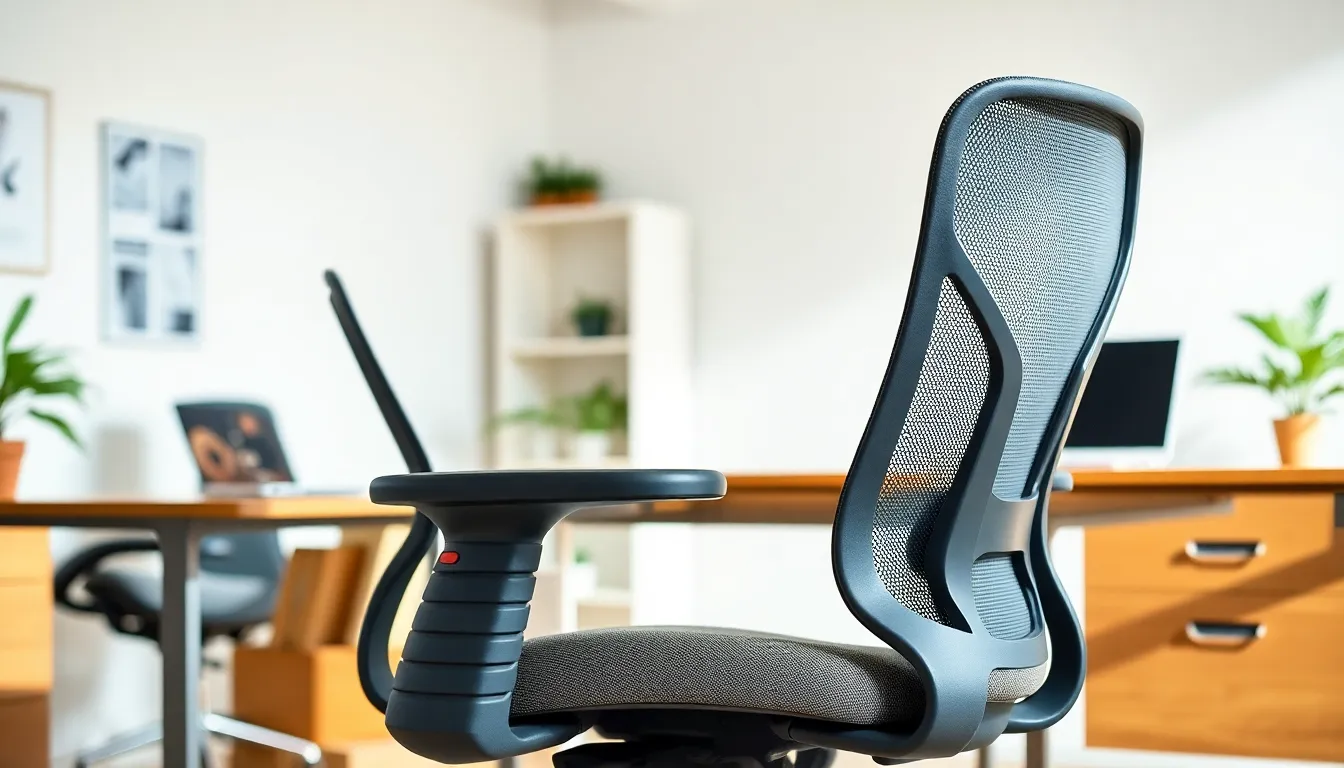
Ergonomic office chairs prioritize body alignment and comfort. These chairs often feature adjustable lumbar support, ensuring proper back support for extended periods. Users appreciate the adjustability options, which cater to different body types and preferences. High-quality materials, such as breathable mesh and padded cushions, contribute to overall comfort. Research indicates that using ergonomic chairs can reduce the risk of musculoskeletal disorders, making them a sound investment for workplace health.
Executive Office Chairs
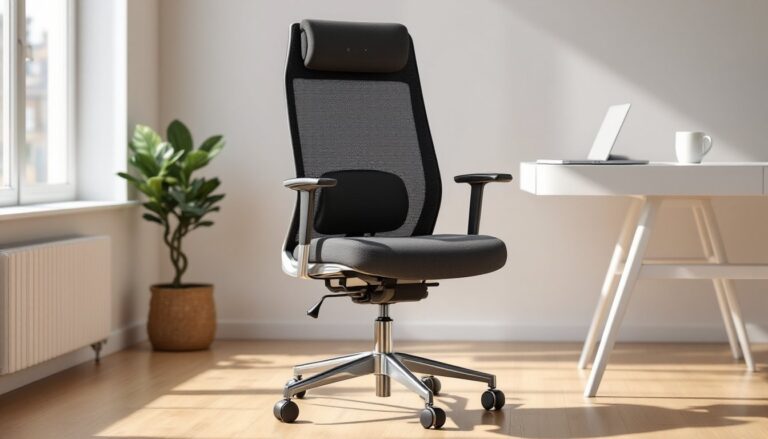
Executive office chairs exude sophistication and luxury. They are typically larger and more cushioned than other types, offering a commanding presence in professional settings. Users notice that features like high backs, leather upholstery, and padded armrests add to their comfort. Often, these chairs provide advanced adjustability for personalized support during long meetings or work hours. Investing in an executive office chair can enhance an individual’s productivity while reflecting their professional status.
Task Office Chairs
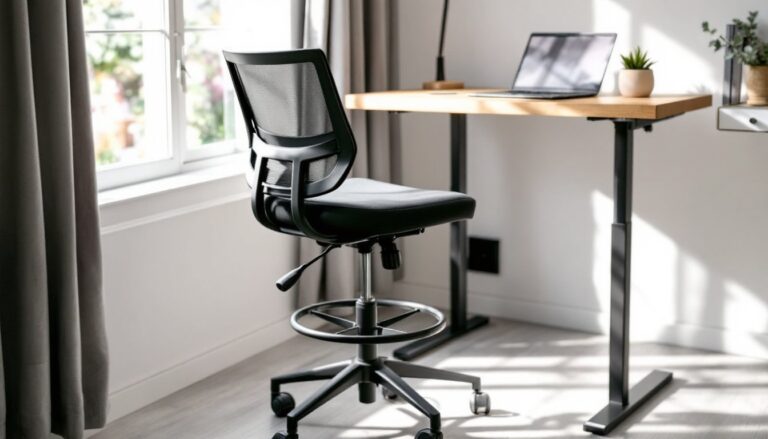
Task office chairs are designed for versatility and functionality. They are lightweight and often feature wheels for easy mobility within workspaces. Users benefit from their simple, streamlined designs that typically come with adjustable heights. Many task chairs include basic lumbar support, making them suitable for short to medium periods of seating. In environments where quick shift changes and multiple users occur, task chairs serve as an economical and efficient option.
Gaming Office Chairs
Gaming office chairs combine comfort and style for extended periods of use. These chairs are designed with high backs and immersive upholstery, often featuring vibrant colors and designs. Users enjoy the added neck and lumbar cushions that enhance support during long gaming or working sessions. Gas-lift mechanisms allow for smooth height adjustments, catering to different setups. Transitioning between work and gaming becomes seamless with these versatile chairs, providing excellent ergonomics for both productivity and leisure.
Key Features to Consider
Selecting the right office chair involves examining key features that directly impact comfort and functionality.
Adjustability and Comfort
Adjustability plays a vital role in achieving comfort. Chairs that offer height, armrest, and backrest adjustments cater to individual preferences. Enhanced lumbar support minimizes strain on the lower back, particularly during long hours of work. Users appreciate the ability to customize their seating experience, promoting better posture. Custom-fit options often lead to improved productivity, as comfort enhances focus and efficiency.
Material and Durability
Material quality significantly influences both durability and comfort. High-quality materials, such as breathable mesh and memory foam, enhance breathability and support. These options ensure longevity, standing up to daily wear and tear. Additionally, chairs crafted from robust materials reduce the frequency of replacements. Users benefit from the longevity of their investment, knowing that a quality chair remains functional over time.
Design and Aesthetics
Design and aesthetics create a workspace that inspires productivity. A visually appealing chair complements office decor and boosts overall morale. Styles range from sleek modern designs to classic options, accommodating various tastes. Color choices can reflect a company’s brand or personal style. Ultimately, a well-designed chair not only serves functional purposes but also enhances the workspace environment.
Benefits of Choosing the Right Office Chair
Selecting the right office chair directly impacts productivity and comfort. Ergonomically designed chairs improve posture, which alleviates strain during long work hours. Increased adjustability accommodates various body types, making it easier for individuals to find their ideal sitting position.
Supportive features, like lumbar support and armrests, promote better alignment and enhance overall comfort. High-quality materials, including breathable mesh and memory foam, contribute to a durable chair that withstands constant use. Longer-lasting chairs reduce the frequency of replacements and associated costs.
Different types of office chairs cater to specific needs. Ergonomic chairs target body alignment and comfort, while executive chairs emphasize luxury and advanced adjustability. Task chairs are lightweight and versatile, ideal for shared environments. Comfort remains paramount in gaming chairs, which combine ergonomic support with style.
Visual appeal matters as it enhances office aesthetics. A well-designed chair can complement the workspace and boost employee morale. Understanding features like height adjustments, armrest flexibility, and backrest support helps individuals select the perfect chair.
Prioritizing comfort, support, and adjustability leads to significant improvements in productivity. Choosing the right chair affects not only physical well-being but also mental focus. Investing in a quality office chair creates a supportive work environment that fosters enhanced performance and satisfaction.
Choosing the right office chair is more than just a matter of comfort; it’s a vital investment in productivity and well-being. A well-designed chair can transform the work experience by providing essential support and reducing strain. By prioritizing ergonomic features and high-quality materials, individuals can create a workspace that not only looks good but also enhances focus and efficiency.
With various options available, finding a chair that suits specific needs is crucial. The right choice can lead to long-term benefits, including improved posture and reduced discomfort. Ultimately, a thoughtful selection of an office chair contributes to a healthier work environment, fostering both satisfaction and performance.