In today’s world, turning a corner of your living room into a small home office can feel like a game of Tetris. With remote work becoming the new norm, finding that perfect balance between productivity and comfort is key. After all, who wouldn’t want to swap out their cubicle for a cozy nook where pajama pants are the official dress code?
Table of Contents
ToggleDesigning a Small Home Office
Designing a small home office requires careful planning to maximize productivity and comfort. Various techniques can help create an efficient workspace that blends seamlessly into the living area.
Space Optimization Techniques
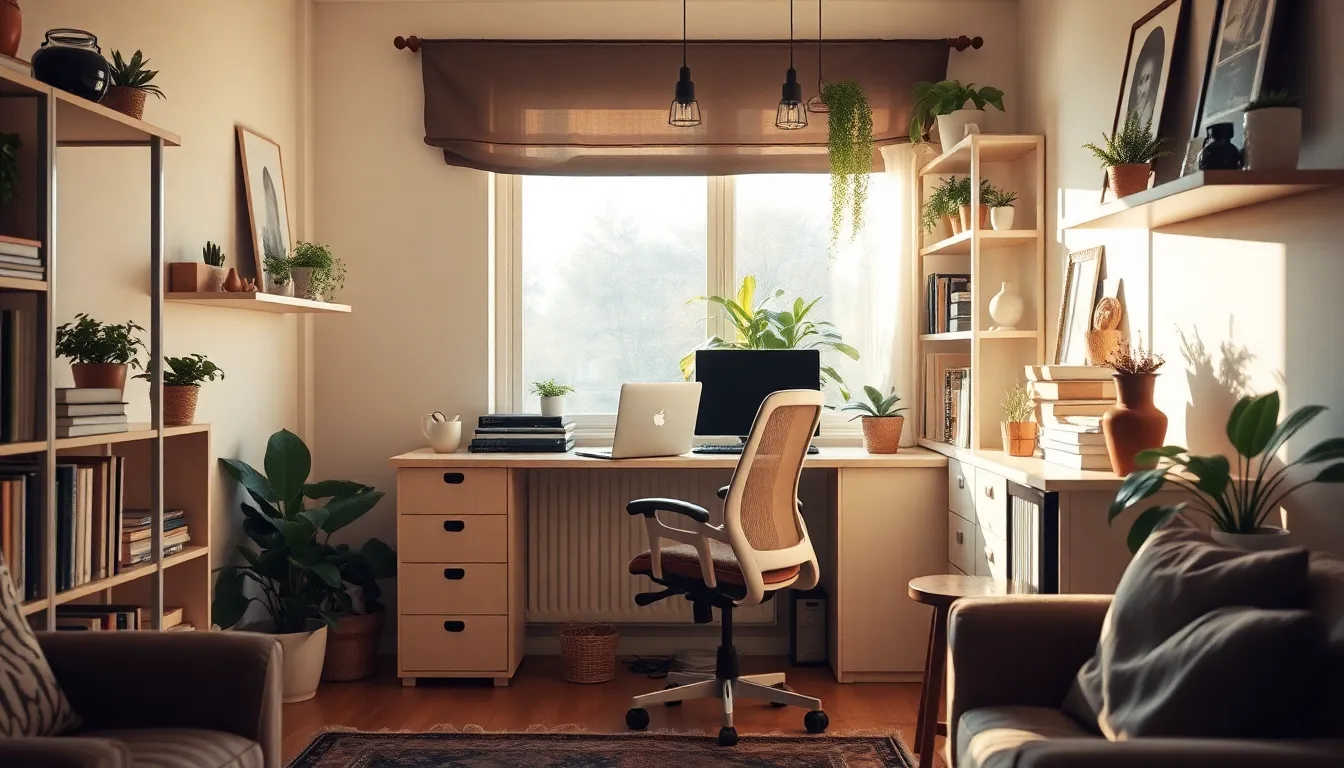
Utilizing vertical space enhances storage in small areas. Shelves and wall organizers can help keep essential items within reach while minimizing clutter. Multifunctional furniture, like desks with built-in storage, reduces the need for excess pieces. Creating zones within the room delineates the workspace from the living area, promoting focus. Keeping the layout open encourages movement and airflow, which supports a comfortable environment. Integrating natural light into the design improves mood and productivity, making the home office more inviting.
Choosing the Right Furniture
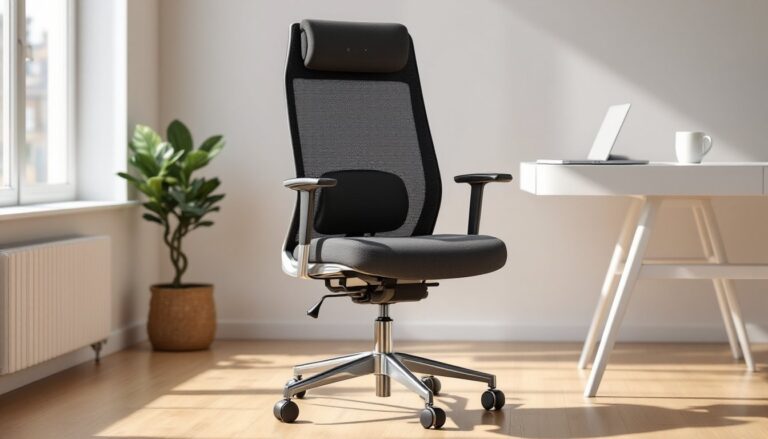
Selecting furniture for a small home office necessitates careful consideration of size and functionality. A compact desk fits neatly into tight corners while providing ample workspace. Ergonomic chairs promote comfort during long hours and support proper posture. Opting for furniture with multiple functions, such as sleep sofas or foldable tables, enhances versatility. Color and style matter; light colors can make the space appear larger and more open. Personal touches, such as decorations or plants, add character without overwhelming the area.
Essential Equipment for a Small Home Office
Creating an efficient small home office requires specific equipment to enhance productivity and comfort. Key components include technology, gadgets, and ergonomic features that align with workspace needs.
Technology and Gadgets
Selecting the right technology transforms a small home office into a productive environment. Laptops with robust processors handle multitasking effectively. Wireless printers save space and reduce cable clutter. Noise-canceling headphones enhance focus during video calls and while working on tasks. Additionally, a high-speed internet connection supports seamless communication and access to resources. Monitor risers create optimal viewing angles, promoting better posture. USB hubs provide easy access to multiple devices and peripherals, further streamlining workflows.
Ergonomic Considerations
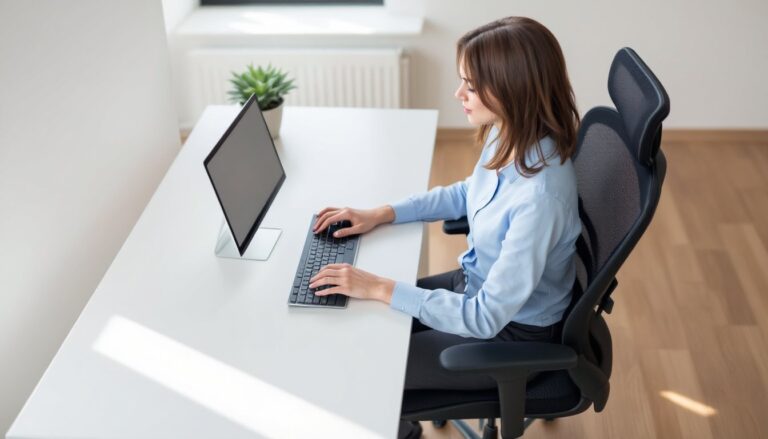
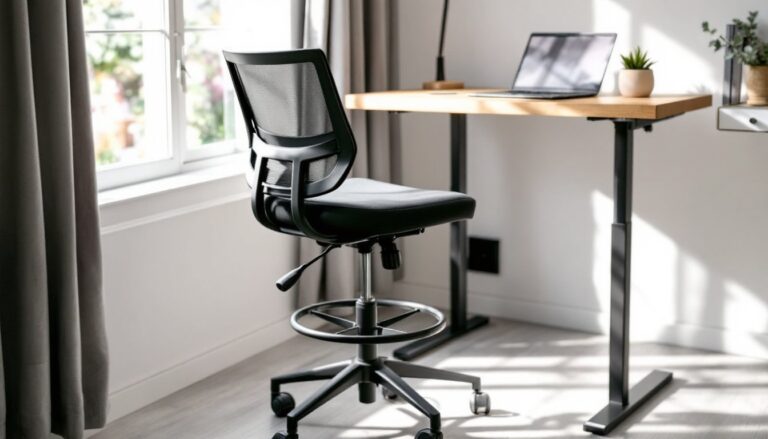
Ergonomics play a crucial role in maintaining comfort and preventing strain. Adjustable desks allow users to alternate between sitting and standing positions, improving circulation and energy levels. Comfortable office chairs with lumbar support provide necessary back relief during long hours of work. Keyboard and mouse placement requires attention; both should align with an individual’s arm level to minimize shoulder strain. Footrests can promote better posture by keeping feet flat and supporting lower back alignment. Proper lighting reduces eye strain, enhancing focus and efficiency.
Personalizing Your Small Home Office
Personalizing a small home office enhances comfort and functionality. Design choices such as color schemes and decor significantly influence the workspace atmosphere.
Color Schemes and Decor
Choosing the right color scheme creates an inviting environment. Soft hues, like pastels, foster calmness, while vibrant tones inspire creativity. Adding decor items, such as artwork or plants, enhances aesthetic appeal. Incorporating personal items, like photos or mementos, cultivates a sense of belonging. Balanced color contrasts maintain a cohesive look, preventing visual clutter. Selecting wall paint or removable wallpaper can redefine the space without permanent changes. Accessorizing with decorative storage boxes or stylish organizers complements overall design while serving practical purposes.
Effective Organization Solutions
Effective organization remains crucial in small home offices. Utilizing vertical storage maximizes limited space with shelves or wall organizers. Choosing multifunctional furniture, such as desks with built-in storage, reduces clutter. Implementing drawer dividers keeps supplies orderly and accessible. Cable management systems create a cleaner workspace by hiding cords. Incorporating baskets or bins offers designated spots for various items. Establishing clear zones for work and relaxation enhances productivity. Using a calendar or planner supports task management without overwhelming the workspace.
Maintaining Productivity in a Small Home Office
A small home office comes with unique challenges to productivity. Focusing on effective time management strategies and minimizing distractions enhances the work experience.
Time Management Strategies
Effective time management plays a crucial role in maintaining productivity. Setting specific working hours helps establish boundaries between work and personal life. Using techniques like the Pomodoro Technique encourages sustained focus by breaking work into intervals. Prioritizing tasks daily creates a clear direction, enabling individuals to tackle high-impact assignments first. Utilizing digital tools and apps can streamline scheduling, making it easier to keep track of deadlines. Planning short, regular breaks revitalizes energy levels, resulting in improved efficiency.
Minimizing Distractions
Creating a distraction-free workspace significantly boosts productivity. Positioning the desk away from common distractions, like television or heavy traffic, fosters focus. Utilizing noise-canceling headphones effectively blocks ambient noise, enhancing concentration. Limiting social media access during work hours curbs time lost to browsing. Implementing a “do not disturb” sign signals to others when it’s crucial to maintain focus. Establishing clear boundaries with family members or roommates helps minimize interruptions during work hours. Effective organization also plays a part in reducing visual distractions, leading to a more productive environment.
Creating a small home office can be a rewarding endeavor that enhances productivity and comfort. By carefully considering design elements and personal touches, it’s possible to craft a workspace that feels both functional and inviting. Utilizing space optimization techniques and selecting the right equipment ensures that the office meets individual needs while minimizing clutter.
Establishing clear boundaries between work and personal life is crucial for maintaining focus. With effective time management strategies and organization solutions, anyone can thrive in a compact workspace. Embracing the unique challenges of a small home office ultimately leads to a more enjoyable and efficient remote work experience.