Keeping a pool clean can feel like a full-time job, but with an automatic pool cover, it’s like hiring a tiny, hardworking robot. These covers not only save time but also protect the pool from debris, reduce heating costs, and keep those pesky critters at bay. However, just like that robot vacuum that occasionally gets stuck on the rug, automatic pool covers need a little TLC to keep them running smoothly.
Table of Contents
ToggleImportance Of Automatic Pool Cover Maintenance
Regular maintenance of automatic pool covers ensures optimal performance and longevity. Neglecting this maintenance can lead to safety hazards and costly repairs.
Enhancing Pool Safety
Maintaining automatic pool covers significantly enhances safety. Properly functioning covers prevent accidental drownings, especially for small children and pets. Covers also deter unauthorized access to the pool area, minimizing risks from unexpected swimmer entry. Regular inspections ensure cover mechanisms operate smoothly, reducing the chances of malfunction that could leave the pool exposed. Safety remains a top priority, and consistent maintenance plays a vital role in safeguarding users.
Extending Cover Lifespan
Regular maintenance extends the lifespan of automatic pool covers. Preventative care, such as cleaning and lubricating mechanisms, keeps the components in optimal condition. Addressing wear and tear promptly prevents small issues from escalating into major repairs. A well-maintained cover reduces strain on motors and other parts, leading to improved efficiency and durability. Overall, investing time in maintenance not only preserves functionality but also enhances the lifespan of the investment in the pool cover.
Routine Maintenance Tasks
Routine maintenance tasks for automatic pool covers ensure long-term functionality and safety. Regular upkeep minimizes costly repairs and enhances overall pool enjoyment.
Cleaning The Cover
Cleaning the pool cover involves regular removal of debris, dirt, and algae. A soft brush and mild soap provide gentle cleaning methods. Rinsing the cover with a hose prevents buildup, which can cause material degradation. Performing this task every couple of weeks helps maintain the cover’s appearance and prevents staining. Avoid using harsh chemicals or abrasive tools that can damage the cover’s surface. Additionally, consider using a specialized cover cleaner for thorough maintenance, ensuring longevity.
Inspecting Mechanisms
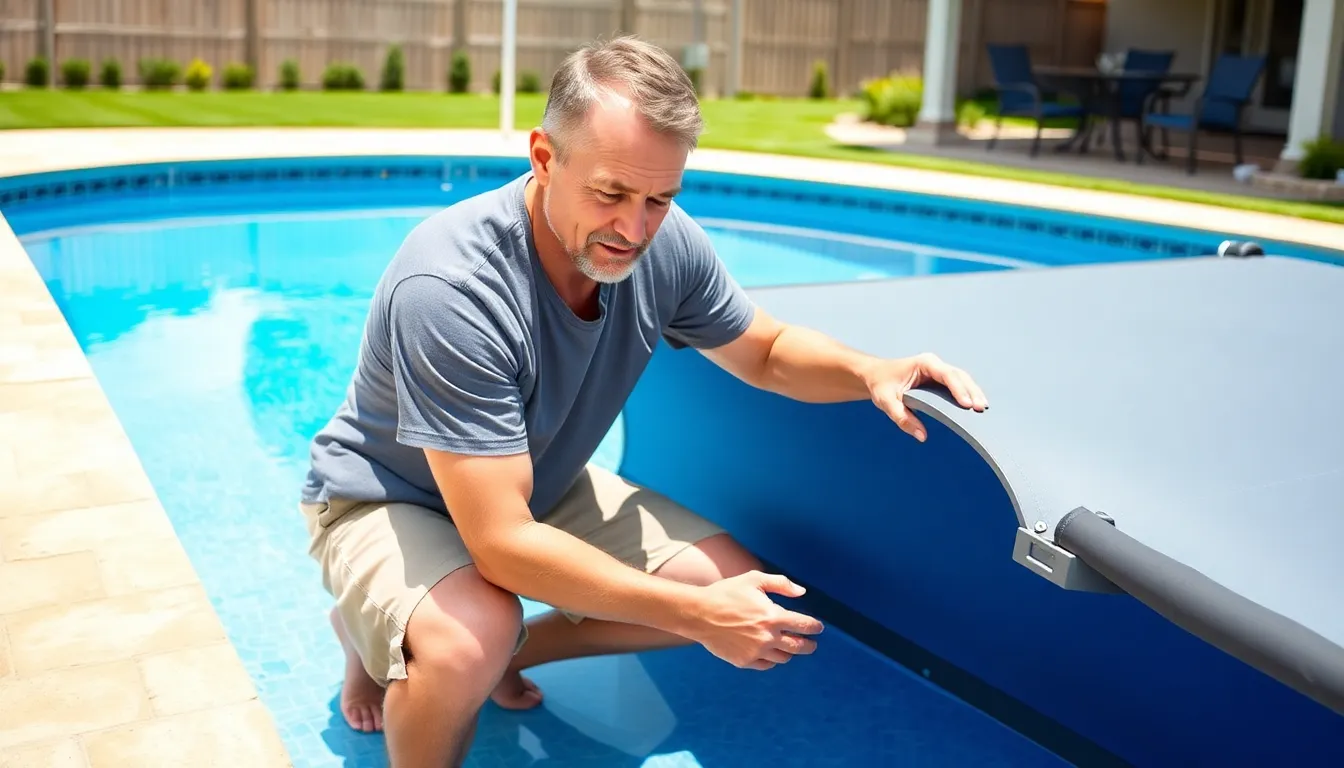
Inspecting the mechanisms of the automatic pool cover is essential for safe operation. Routine checks should include examining the motor, pulleys, and tracks for any signs of wear. Testing the remote control or switch for functionality ensures smooth opening and closing. Regularly lubricating moving parts prevents friction and wear. Inspecting the safety features, like the automatic stop function, guarantees that the cover operates correctly and safely. Performing these checks semi-annually keeps the cover system in optimal condition and reduces the risk of unexpected failures.
Troubleshooting Common Issues
Automatic pool covers may encounter issues over time. Identifying and addressing these problems ensures safe and effective operation.
Identifying Wear And Tear
Inspecting the pool cover regularly helps identify signs of wear and tear. Look for frayed edges, punctures, or cracks in the material. Check for rust or corrosion on metal components, particularly around the pulleys and motors. Any visible wear affects the cover’s performance and longevity. Use a gentle cleaning solution and soft cloth to remove debris, which may hide underlying damage. Keeping a log of any findings provides a helpful reference for future inspections. Promptly addressing these concerns minimizes costly repairs and ensures continued functionality.
Addressing Mechanical Failures
Mechanical failures can significantly hinder the operation of automatic pool covers. Start by examining the motor for unusual noises or lack of power. Inspect the pulleys and tracks for obstructions, and ensure they are free of debris. Confirm that wiring connections are secure and intact, as loose or damaged wires can lead to failures. Look for signs of wear on moving parts, such as excessive friction or resistance. If issues persist after troubleshooting, professional assistance may be required to diagnose and repair mechanical problems effectively. Regular maintenance checks reduce the likelihood of unexpected failures and improve overall cover performance.
Seasonal Maintenance Tips
Seasonal maintenance ensures the longevity and effectiveness of automatic pool covers. Follow these guidelines for optimal upkeep.
Preparing For Winter
Preparing for winter involves several key steps. Remove any debris from the pool cover and clean it thoroughly, ensuring no contaminants cause mildew. Disconnect the power supply to the cover’s motor to prevent damage from freezing temperatures. Inspect the cover for wear, paying close attention to seams and moving parts. Apply lubrication to mechanisms to prevent stiffness during cold weather. Finally, store the cover in a dry, protected area if it’s a removable type, safeguarding it from damaging elements.
Spring Reopening Checks
Spring reopening checks are essential for restoring functionality. Inspect the pool cover for any winter damage, including tears or rust on metal components. Ensure that the motor and track system function smoothly, removing any debris from the tracks. Reconnect the power supply and perform a full operational test to confirm all mechanisms work properly. Clean and disinfect the cover before placing it back over the pool, ensuring it remains in optimal condition for the upcoming summer season.
Hiring Professional Services
Maintaining an automatic pool cover is crucial for performance and longevity. In some cases, professional services provide essential expertise and support.
When To Call An Expert
Recognizing when to call an expert is vital for effective maintenance. If operational issues arise, like unusual noises or sluggish movement, immediate consultation is necessary. If physical damage appears, such as cracks or fraying, professional assessment prevents further deterioration. Scheduling an expert inspection annually is practical, ensuring all components operate efficiently. If troubleshooting efforts prove unsuccessful, contacting a specialist ensures complex issues are addressed promptly, avoiding costly repairs later.
Choosing The Right Service Provider
Selecting the right service provider involves assessing credentials and experience. Look for companies specializing in automatic pool cover maintenance, ensuring they possess relevant certifications. Read customer reviews to gauge satisfaction and reliability. Inquire about service offerings and maintenance packages, ensuring they align with specific needs. Comparing quotes from multiple providers aids in making informed decisions. Confirm that the provider uses quality parts and equipment, as this impacts the longevity of the pool cover.
Maintaining an automatic pool cover is essential for ensuring its longevity and performance. Regular upkeep not only enhances safety but also minimizes the risk of costly repairs. By following routine maintenance tasks like cleaning and inspecting mechanisms, pool owners can enjoy a reliable and efficient cover. Seasonal preparations further optimize its functionality, allowing for a seamless transition between winter and summer use. When in doubt, seeking professional assistance can provide peace of mind and ensure that the cover remains in top condition. Prioritizing maintenance will ultimately lead to a safer and more enjoyable pool experience.