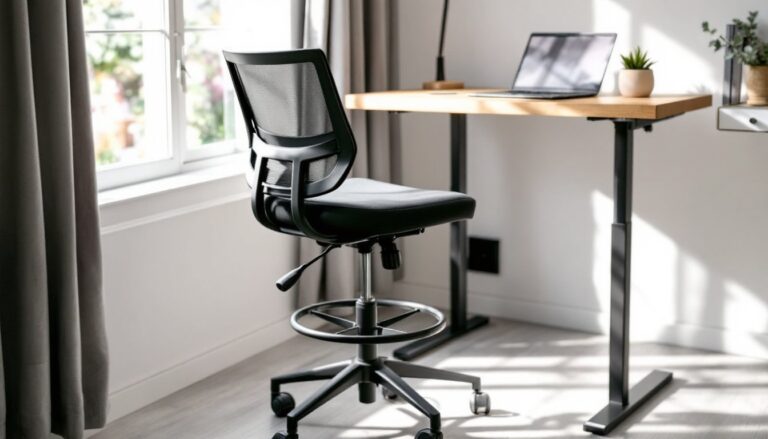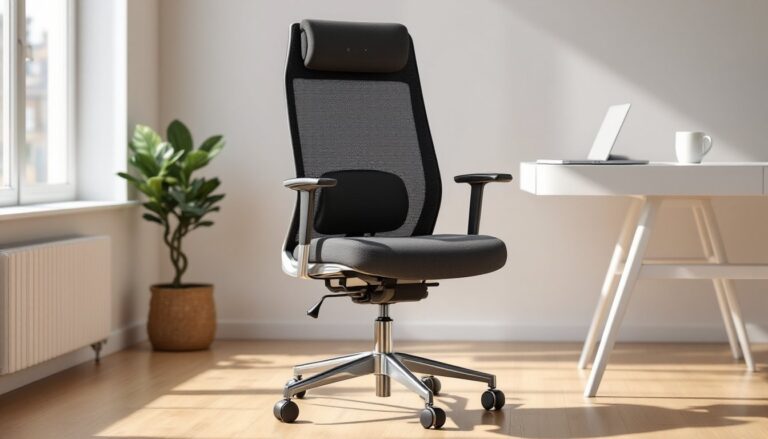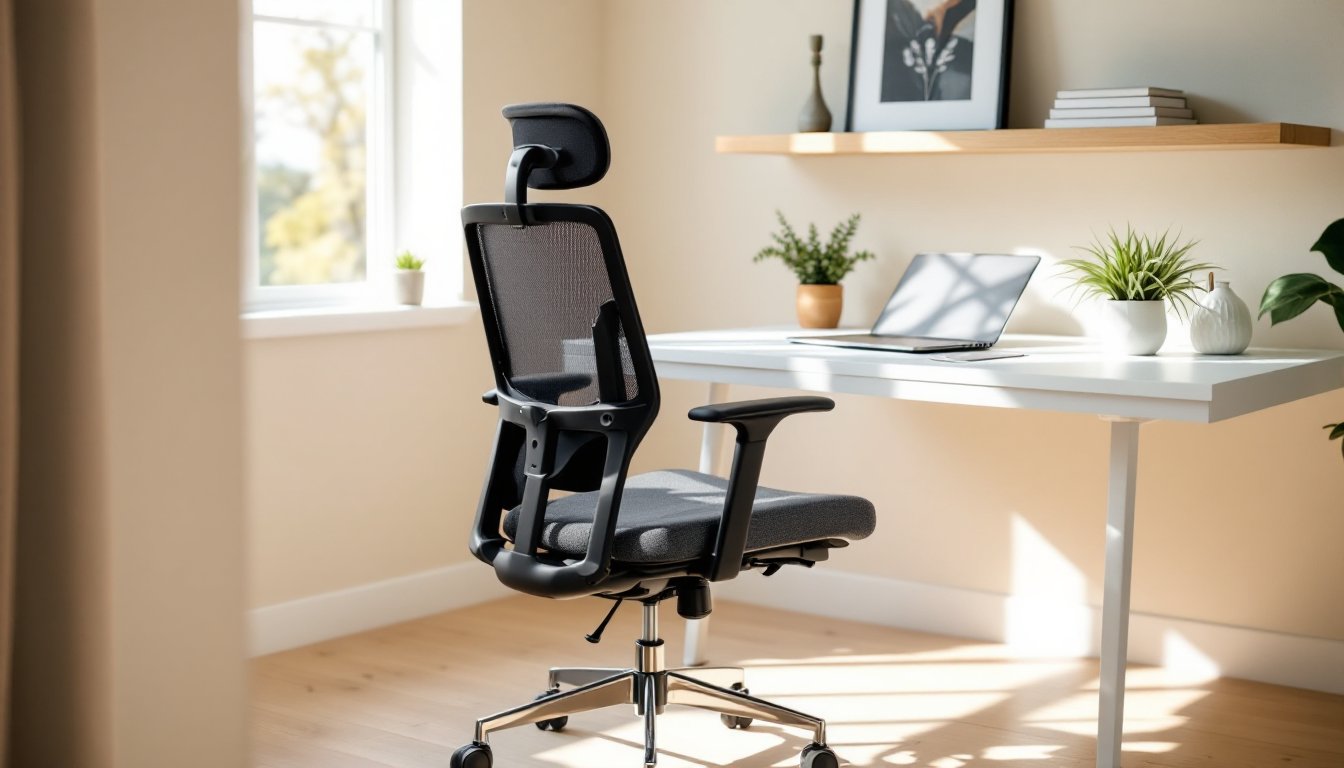
Shopping for an office chair doesn’t have to mean scrolling through endless online catalogs or trekking to specialty furniture stores. Target has quietly built a solid home office seating lineup that balances affordability, decent ergonomics, and the kind of design flexibility that works whether you’re setting up a spare bedroom workspace or a dedicated home office. With same-day pickup, generous return policies, and chairs you can actually sit in before buying, Target offers advantages that pure-play online retailers can’t match. This guide walks through what’s available, what to look for, and how to choose a chair that’ll support hours of work without wrecking your back or your budget.
Table of Contents
ToggleKey Takeaways
- Target offers office chairs in the $80–$350 price range with in-store testing, same-day pickup, and a 90-day return policy, making it a practical alternative to specialty furniture stores and online retailers.
- Ergonomic task chairs with adjustable lumbar support, seat height adjustment, and breathable mesh backs are ideal for 4–8 hour workdays, while executive chairs prioritize visual presence over fine-tuned ergonomics.
- When selecting an office chair, prioritize seat height range (especially if you’re under 5’4″ or over 6’2″), adjustable lumbar support, and armrest adjustability to reduce neck tension and pressure points during extended sitting.
- Budget-friendly and compact chairs work well for short-term seating and tight spaces but typically last only 2–3 years of regular use, making them suitable for occasional use rather than all-day work.
- Target’s house brands (Room Essentials, Threshold, Project 62) feature residential aesthetics with neutral fabrics and clean lines that blend with home decor better than traditional corporate office equipment.
- Match your office chair to your workspace style through color coordination and scale, ensuring the chair functions ergonomically while maintaining visual flow in your home office or open-concept space.
Why Target Is a Smart Choice for Home Office Seating
Target sits in a sweet spot for home office shoppers who want something better than the bottom-barrel Amazon basics but aren’t ready to drop $800 on a Herman Miller. The retailer stocks chairs in the $80–$350 range, covering everything from simple task chairs to mid-tier ergonomic models with lumbar support and adjustable arms.
One practical advantage: in-store testing. You can actually sit in the chair, check the seat depth against your thigh length, and test whether the armrests clear your desk height before you buy. That beats guessing from product photos. If you’re setting up a home office on a timeline, Target’s same-day pickup and delivery options mean you’re not waiting a week for shipping.
The return policy is straightforward, 90 days with receipt, no restocking fees. That gives you time to live with a chair and see if it holds up through full workdays. Target’s private-label lines (Room Essentials, Threshold, and Project 62) are manufactured by the same contract suppliers making chairs for other mid-market retailers, so quality is generally predictable.
Selection varies by store size, but Target’s online inventory ships to all locations. Expect to see brands like Flash Furniture, Serta, and Boss Office Products alongside Target’s house brands. The range isn’t as deep as a dedicated office furniture store, but for home use, where you’re not logging 60-hour weeks in the chair, it’s usually sufficient.
Top Office Chair Styles Available at Target
Ergonomic Task Chairs
Ergonomic task chairs in Target’s lineup typically include adjustable lumbar support, seat height adjustment via pneumatic cylinder, and tilt tension control. These chairs are built for people spending 4–8 hours a day seated. Look for models with waterfall seat edges (a gentle front curve) to reduce pressure on the back of your thighs, which can restrict circulation during long sessions.
Target’s Serta Hannah and Office Star ProGrid series fall into this category. Both feature breathable mesh backs, adjustable arms (height and width), and seat depth adjustment, critical if you’re shorter than 5’8″ or taller than 6’2″. Mesh backs help with airflow but offer less cushioned support than padded backs: it’s a trade-off between cooling and comfort.
These chairs generally support up to 250 pounds. If you need higher weight capacity, check specs carefully, some budget ergonomic chairs use lighter-duty gas cylinders that wear out faster under heavier loads. When shopping for an office chair solution, pay attention to both base diameter (a wider 27–28″ base is more stable) and caster type (hard casters for carpet, soft for hardwood).
Executive and High-Back Chairs
Executive chairs emphasize presence and padding over pure ergonomics. These high-back designs often feature bonded leather or faux leather upholstery, padded armrests, and a more substantial visual profile. They’re popular for home offices that double as video call backgrounds, the tall back looks more polished on camera than a bare wall.
Target stocks models from Boss Office Products and Flash Furniture in this category, typically priced $150–$300. The trade-off: bonded leather wears poorly. Expect peeling and flaking after 2–3 years of regular use, especially in warm climates or rooms with direct sunlight. Genuine leather holds up better but pushes past Target’s typical price range.
These chairs work well for shorter work sessions or for users who prioritize comfort over adjustability. Most lack the fine-tuning options of ergonomic task chairs, you’ll get seat height and tilt lock, but not much else. If you’re doing detailed work that requires frequent posture changes, an executive chair may not provide enough support.
Budget-Friendly and Compact Options
Budget and compact chairs cover the $80–$150 range and prioritize footprint and cost over features. Target’s Room Essentials line includes basic task chairs with minimal adjustability, usually just seat height, and simple construction. These are fine for assignments stations, short email sessions, or secondary workspaces, but they’re not built for all-day use.
Compact models often have smaller seat pans (16–17″ wide vs. 19–20″ on standard chairs) and lower backs, making them suitable for tight spaces or desks in bedrooms and alcoves. Some modern designs influenced by contemporary office furniture trends include molded plastic shells with wood legs, visually cleaner than traditional office chairs but offering almost no ergonomic adjustment.
If you’re furnishing multiple workspaces on a budget, these chairs deliver acceptable short-term seating. Don’t expect them to last beyond 2–3 years of regular use. The gas cylinders, casters, and plastic components are the first to fail. For occasional use, they’re perfectly adequate.
Key Features to Look for When Shopping
Start with seat height range. Most office chairs adjust from 16″ to 21″ off the floor. When seated, your feet should rest flat with thighs parallel to the floor and knees at 90 degrees. If you’re under 5’4″ or over 6’2″, verify the range works for your dimensions, many budget chairs bottom out too high for shorter users.
Lumbar support is non-negotiable for extended sitting. Adjustable lumbar pads let you position support at the natural curve of your lower back (usually 3–5 inches above the seat). Fixed lumbar supports work only if they happen to align with your spine: otherwise they create pressure points. Test this in-store if possible.
Armrest adjustability matters more than most people expect. Fixed-height arms that are too high force your shoulders up, causing neck tension. Arms that are too low mean you’ll lean to one side or work without arm support. Look for at least height-adjustable arms: 2D (height and width) or 4D (height, width, depth, angle) adjustments are better but add cost.
Check tilt mechanism and tension control. A simple tilt lock lets you lock the chair upright or allow recline. Better chairs include tilt tension adjustment (a knob that changes how much force is needed to recline) and synchro-tilt, where the seat and back recline at different angles to maintain better posture. The cheapest chairs have no tilt control at all, they’re always locked upright.
Caster type is easy to overlook but affects both mobility and floor protection. Hard plastic casters work on carpet but scratch hardwood and laminate. Soft rubber or polyurethane casters (sometimes called rollerblade wheels) are gentler on hard floors. You can buy replacement casters separately for about $15–$25 if the stock ones aren’t right for your flooring.
Weight capacity is usually listed in specs but often understated. A chair rated for 250 pounds will function at that weight but may wear out faster. If you’re near the stated limit, size up or look for commercial-grade models. According to testing done by home product reviewers, exceeding weight ratings accelerates gas cylinder failure and caster breakage.
Finally, consider warranty and return terms. Target’s 90-day return window is generous, but manufacturer warranties on chairs vary, some offer one year on parts, others cover only 90 days. Keep packaging for at least the first month in case you need to return the chair.
How to Match Your Office Chair to Your Home Decor
Office chairs don’t have to look like they escaped from a corporate cube farm. Target’s house brands lean toward residential aesthetics, cleaner lines, neutral fabrics, and finishes that blend with home decor rather than screaming “office equipment.”
For modern and minimalist spaces, look for chairs with simple silhouettes, metal or wood accents, and solid colors. Project 62’s offerings often feature powder-coated steel frames, linen-blend upholstery, and tapered legs that echo mid-century design. Stick to black, gray, charcoal, or natural wood tones to keep the look cohesive. Avoid chairs with excessive branding, chrome, or glossy plastic, they’ll clash with the understated vibe.
Traditional and farmhouse interiors pair well with upholstered task chairs in warmer tones, camel, tan, navy, or sage. Threshold’s tufted desk chairs and faux leather options with nailhead trim work in these settings. Look for chairs with wood arm caps or bases rather than all-plastic construction. The goal is to make the chair feel like furniture rather than equipment.
Eclectic and bohemian styles give you more flexibility. Target occasionally stocks chairs in jewel tones (emerald, mustard, terracotta) or with textured fabrics like bouclé or velvet. These can serve as accent pieces while still functioning as proper seating. Balance a bold chair with neutral desk and shelving to avoid visual overload.
Consider your desk material and color when choosing. A black mesh ergonomic chair can look stark against a light wood desk but pairs well with industrial metal or dark walnut. If your desk is white or light oak, chairs in gray, beige, or natural wood tones create better visual flow.
Scale matters in smaller home offices. A high-back executive chair can overwhelm a compact desk or small room. Opt for mid-back or low-profile designs that maintain visual openness. Reviews from tech and home product experts consistently note that chair size affects perceived room size, an oversized chair makes a small office feel cramped.
If you’re working with an open-concept space where your desk is visible from living areas, treat the chair as part of your overall decor scheme. Match or coordinate the chair fabric with other textiles in the space, throw pillows, rugs, or window treatments. This integration makes the workspace feel intentional rather than tacked on.
Finally, don’t sacrifice function for looks. A beautiful chair that causes back pain after two hours isn’t worth it. Test ergonomics first, then narrow your selection based on aesthetics. Target’s inventory usually offers 3–5 chairs in any given style category, so you’ll have options that work both functionally and visually.