Setting up a home office that doesn’t leave you sore after a few hours requires more than just a desk and a laptop. The chair underneath you matters, a lot. Mesh office chairs have become the go-to for remote workers who want breathability, support, and a modern look that fits into home decor without screaming “cubicle farm.” Unlike padded chairs that trap heat or cheap task chairs that sag after six months, mesh seating offers an engineered middle ground. This guide walks through what actually matters when choosing one, how to fit it into your space, and how to keep it performing for years.
Table of Contents
ToggleKey Takeaways
- Mesh office chairs prevent heat buildup and maintain shape better than padded alternatives, making them ideal for long work sessions without sagging or discomfort.
- Adjustable lumbar support and 4D armrests are critical features that separate quality mesh chairs from disappointing purchases and prevent strain during extended use.
- Choosing the right mesh chair involves matching frame finish and color to your home office decor—black frames suit industrial and modern spaces, while aluminum finishes complement contemporary designs.
- Regular maintenance like quarterly bolt tightening, dust removal every few weeks, and caster replacement can extend your mesh office chair’s lifespan and performance.
- Before purchasing, measure your workspace to ensure at least 36 inches of clearance behind the chair and evaluate mesh quality by checking denier rating (higher than 200 is more durable).
Why Choose a Mesh Chair for Your Home Office?
Mesh chairs solve a problem that upholstered seating can’t: heat buildup during long work sessions. The woven fabric allows air to circulate against your back and seat, which makes a noticeable difference if you’re sitting for six-plus hours a day. Foam cushions compress over time and trap body heat, especially in rooms without great airflow. Mesh maintains its shape better and doesn’t require the break-in period that leather or fabric chairs do.
From a structural standpoint, mesh is stretched across a frame, usually molded plastic or metal, and held in place with clips or a tension system. Quality mesh won’t sag if it’s properly tensioned and supported by a rigid frame. Cheaper models skip the internal support structure and rely solely on the mesh itself, which leads to that hammock effect where you sink too far back.
Mesh chairs also tend to be lighter than their padded counterparts, which matters if you’re rearranging a home office or rolling the chair between rooms. They’re easier to clean, no upholstery to vacuum or treat for stains. A damp cloth handles most spills. For households with pets, mesh is less likely to collect fur or show claw snags compared to fabric.
Another advantage: modern mesh designs often look cleaner and less bulky than traditional executive chairs. They fit into minimalist, contemporary, or industrial home office setups without adding visual weight. If your workspace doubles as a guest room or living area, that matters.
Key Features to Look for in an Office Mesh Chair
Not all mesh chairs are created equal. The differences come down to adjustability, material quality, and how well the chair supports your body during long sessions. Here’s what separates a solid investment from a disappointment.
Adjustability and Ergonomic Support
Seat height adjustment is non-negotiable. Your feet should rest flat on the floor with knees at roughly 90 degrees when seated. Most mesh chairs use a pneumatic cylinder for height adjustment, test it before buying if possible, as cheaper cylinders lose pressure over time and won’t hold position.
Lumbar support is where many mesh chairs fall short. Look for models with adjustable lumbar, either a separate cushion that moves up and down or a built-in curve you can dial in. Fixed lumbar works only if it happens to align with your lower back, which varies by height and torso length. Some higher-end models offer dynamic lumbar that adjusts as you shift weight.
Armrest adjustability matters more than most people think. Arms should allow your elbows to rest at 90 degrees without hunching your shoulders or forcing your wrists into awkward angles while typing. Look for 4D armrests (height, width, depth, and angle) if you want full control. Fixed armrests are a dealbreaker for anyone over six feet or under five-four.
Tilt and recline functions let you shift positions throughout the day. A basic tilt lock is fine for most users, but if you like to lean back during calls or reading, look for multi-position tilt lock or synchro-tilt, which adjusts the seat and backrest angles in sync. Tension control lets you adjust how much resistance the chair offers when you lean back, helpful if you’re lighter or heavier than average.
Seat depth adjustment is less common but valuable if you’re particularly tall or short. A seat that’s too deep forces you to sit forward (losing back support), while one that’s too shallow leaves your thighs unsupported. Adjustable seat pans slide forward or back to fit your leg length.
Mesh Quality and Breathability
Mesh isn’t a single material, it’s a category. Elastomeric mesh (like the kind used in many contemporary office chairs) stretches and conforms to your body, offering more give than woven synthetics. It’s comfortable but can lose tension after a few years if the frame doesn’t support it properly.
Woven synthetic mesh is tighter and more durable. It won’t stretch as much, so it feels firmer but holds its shape longer. Check the denier rating if it’s listed, higher denier means thicker, more durable fibers. Mesh under 200 denier tends to feel flimsy.
Look at how the mesh attaches to the frame. Edge clips or tension screws let you adjust or replace the mesh if it loosens over time. Glued or molded-in mesh can’t be serviced, you’re stuck with whatever sag develops.
Breathability also depends on mesh density. Tighter weaves look sleek but don’t move as much air. Looser weaves breathe better but may feel less supportive. If possible, sit in the chair for 10–15 minutes to gauge comfort and airflow before buying.
How to Match Your Mesh Chair to Your Home Office Design
Mesh chairs come in enough styles that you don’t have to settle for a look that clashes with your home office. The trick is matching frame finish, color, and profile to the rest of your space.
Frame finishes typically fall into three categories: matte black, polished aluminum, or white. Black frames work with industrial, modern, and traditional setups. Aluminum or chrome finishes lean contemporary and pair well with glass desks or metal shelving. White frames fit Scandinavian or minimalist aesthetics but show scuffs more easily.
Mesh color is usually black, gray, or occasionally white. Black is the most forgiving and hides wear. Gray mesh softens the look and works in lighter, neutral spaces. White mesh looks clean initially but can discolor over time, especially if you’re working in bright natural light or have oily skin.
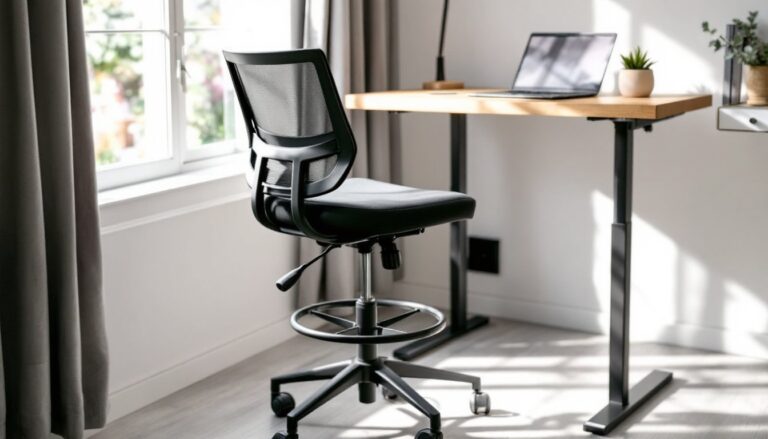
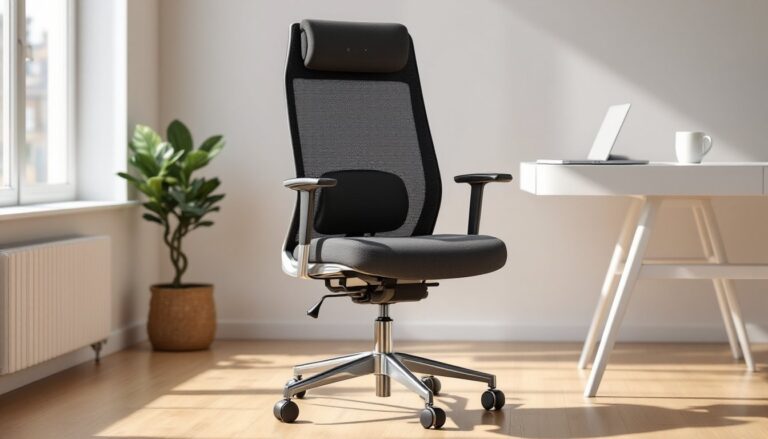
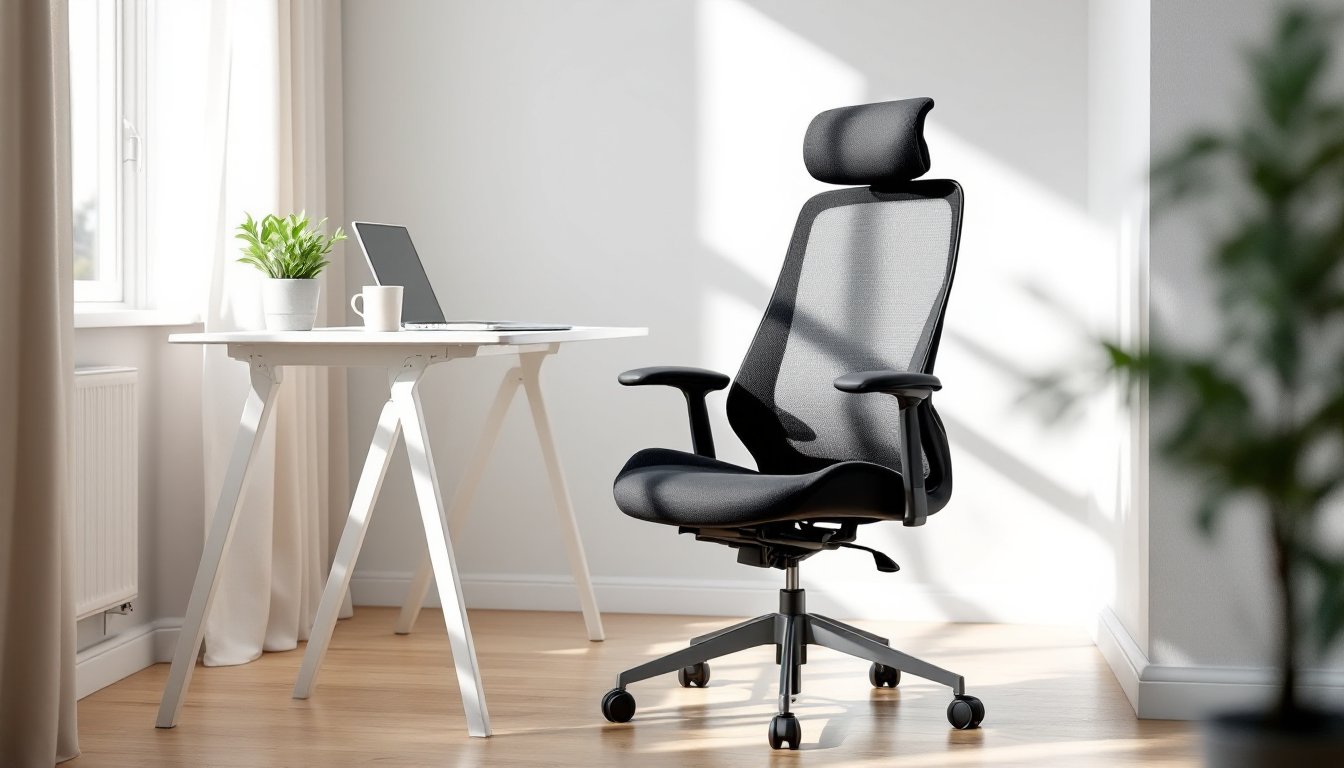
Pay attention to the chair’s silhouette. High-back mesh chairs with headrests make a statement and suit dedicated home offices where the chair is a focal point. Mid-back designs are less imposing and blend into multi-use spaces like a bedroom corner or dining area converted to a workspace. Low-back task chairs work for compact desks but sacrifice upper back support.
If your home office has exposed wood, vintage furniture, or warm tones, a mesh chair with a wood accent, like a walnut or oak armrest cap, bridges the gap between modern mesh and classic design. These touches are subtle but help the chair feel intentional rather than out of place.
Consider scale, too. A bulky executive mesh chair overwhelms a small desk or narrow room. Measure your workspace before buying, allow at least 36 inches of clearance behind the chair when fully reclined and 24 inches of clearance on each side for comfortable movement.
For design-forward spaces, sites like Design Milk often feature mesh seating that balances function with visual appeal. You don’t have to sacrifice comfort for style, but you do need to shop intentionally.
Maintenance Tips to Keep Your Mesh Chair Looking New
Mesh chairs are low-maintenance, but a little upkeep extends their lifespan and keeps them comfortable. Most wear comes from dirt buildup, loose hardware, and neglected moving parts.
Clean the mesh every few weeks. Use a soft brush or vacuum with an upholstery attachment to remove dust and crumbs. For deeper cleaning, mix a few drops of dish soap in warm water, dampen a microfiber cloth, and wipe down the mesh. Avoid soaking the material, excess water can weaken adhesives or cause rust on metal frames. Let it air dry completely before sitting.
Tighten bolts and screws quarterly. Mesh chairs have multiple pivot points, armrests, tilt mechanisms, lumbar adjusters, that loosen with regular use. Keep an Allen wrench set handy (most chairs use metric sizes, typically 4mm, 5mm, or 6mm). A wobbly armrest or squeaky tilt usually means something needs snugging up.
Lubricate moving parts annually. The tilt mechanism, gas cylinder, and casters benefit from a light spray of silicone lubricant (not WD-40, which attracts dust). Wipe off excess to prevent grime buildup. If the gas cylinder won’t hold height, it’s likely failed and needs replacement, this is a $20–$40 part and a straightforward DIY fix with basic tools.
Inspect the mesh for tears or fraying. Small snags can spread if left unaddressed. If the mesh uses tension clips, you may be able to re-tension it by adjusting screws along the frame. If it’s glued or molded in, repair options are limited, consider a seat cushion as a temporary fix or budget for a replacement.
Rotate the chair’s position occasionally if it sits in direct sunlight. UV exposure fades mesh and weakens synthetic fibers over time. If your desk faces a window, a sheer curtain or UV film can help.
Replace worn casters before they damage flooring. Mesh chairs often ship with hard plastic casters suited for carpet. If you’re on hardwood, laminate, or tile, swap them for soft rubber casters, they’re quieter, roll smoother, and won’t scratch. This is a five-minute upgrade that makes a noticeable difference.
For ongoing comfort and productivity, ensuring your seating supports proper posture is as important as the chair itself. Regular adjustments to lumbar, armrests, and seat height prevent strain as your work habits or body changes.
Conclusion
Choosing a mesh chair for a home office isn’t about trends, it’s about matching breathability, adjustability, and build quality to how you actually work. Prioritize lumbar support and armrest flexibility over flashy features, clean and tighten hardware regularly, and don’t skip measuring your space before buying. A well-chosen mesh chair should fade into the background of your day, supporting you without demanding attention.