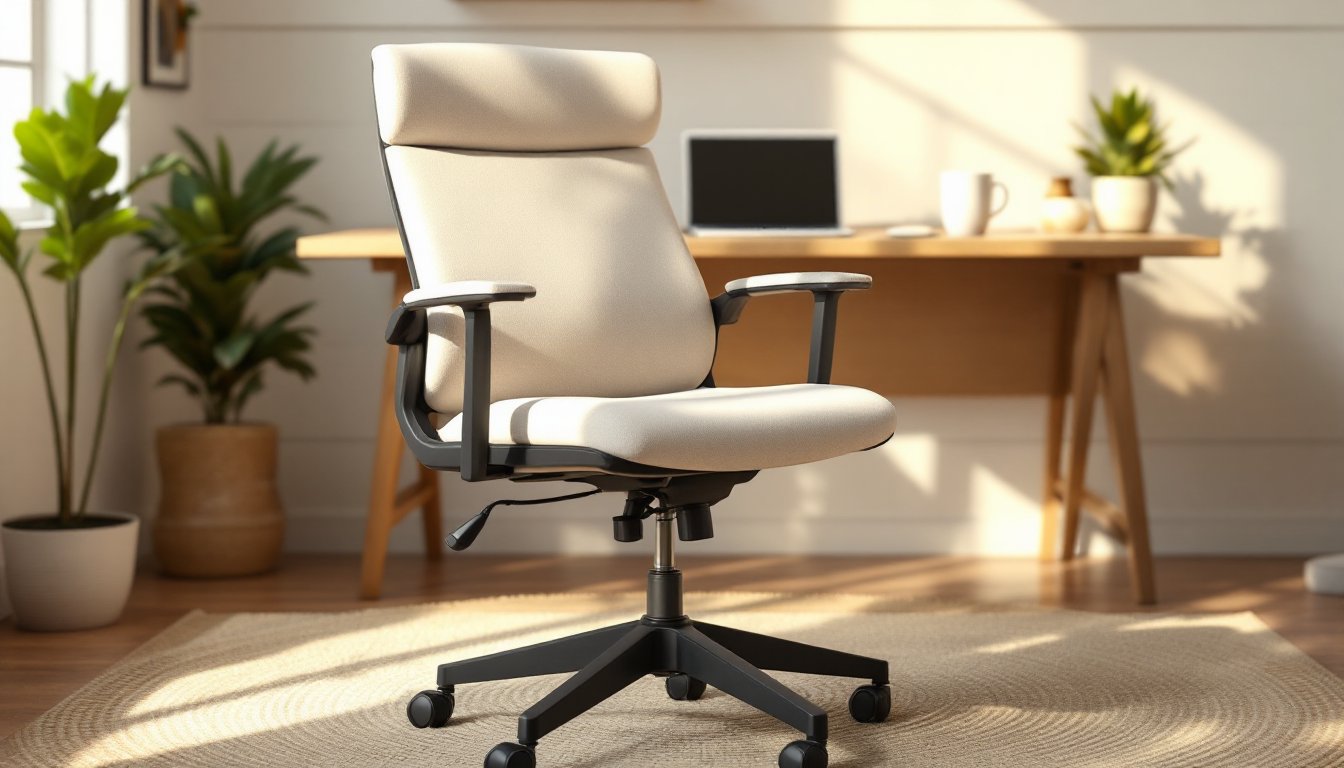
Beige office chairs have quietly become the go-to seating choice for home offices, and it’s easy to see why. They strike that rare balance between professional and approachable, blending seamlessly into nearly any design scheme without demanding attention. Unlike stark white chairs that show every scuff or dark leather that can feel heavy in smaller spaces, beige offers warmth and versatility. Whether someone’s building out a dedicated workspace or carving a corner from a living room, a beige office chair anchors the setup without overwhelming it, practical, timeless, and surprisingly forgiving when it comes to wear.
Table of Contents
ToggleKey Takeaways
- A beige office chair combines professional aesthetics with versatility, blending seamlessly into any design scheme while hiding minor wear better than lighter or darker alternatives.
- Ergonomic features—adjustable lumbar support, seat depth, 4D armrests, and synchro-tilt mechanisms—are essential for comfort during extended work sessions and should take priority over color choice.
- Beige upholstery options range from performance fabrics and high-density foam to leather finishes, allowing you to choose durability levels based on your usage patterns and climate.
- Styling a beige office chair works across modern, minimalist, industrial, traditional, and eclectic spaces, serving as a neutral anchor that enhances rather than competes with other design elements.
- Regular maintenance—weekly vacuuming, immediate stain blotting, monthly conditioning, and quarterly fastener checks—keeps beige upholstery looking fresh while extending chair lifespan.
Why Beige Office Chairs Are Perfect for Modern Home Offices
Beige doesn’t fight with existing color palettes. It sits comfortably alongside oak desks, white laminate workstations, industrial metal frames, and reclaimed wood without clashing. That neutrality makes it a smart choice for homeowners who aren’t ready to commit to bold accent colors or who anticipate changing their decor down the line.
From a practical standpoint, beige hides minor stains and discoloration better than lighter fabrics while avoiding the heat absorption problems of black or dark brown upholstery. In rooms with limited natural light, beige reflects enough ambient light to keep the space from feeling cave-like, a real consideration in basement offices or north-facing rooms.
Beige also photographs well, which matters more than it used to. With remote work here to stay, video calls are part of the daily routine. A beige chair provides a clean, professional backdrop without creating harsh contrasts that mess with webcam exposure. It reads as intentional without looking staged.
The market has responded to this demand. Manufacturers now offer beige in a wider range of materials than ever before, linen-blend fabrics, performance polyesters, top-grain leather, and even sustainable options like recycled PET upholstery. Some options, like the executive leather models, bring a boardroom aesthetic into home settings without the intimidation factor of darker finishes.
Key Features to Look for in a Beige Office Chair
Ergonomic Support and Adjustability
A chair’s color won’t matter if it causes back pain by lunchtime. Lumbar support is non-negotiable for anyone sitting more than a few hours a day. Look for chairs with adjustable lumbar depth and height, not just a fixed curve. The lower back changes position throughout the day, and the chair should accommodate that.
Seat depth adjustment is often overlooked but critical. A seat that’s too deep forces shorter users to sit forward, losing back support. Too shallow, and taller users end up with thighs unsupported, causing pressure points. Quality chairs offer 2-3 inches of fore-aft adjustment via a sliding seat pan.
Armrest adjustability should include height, width, and ideally pivot. Fixed-width armrests can force awkward shoulder positions, especially for users working on multi-monitor setups where keyboards sit at different depths. Look for 4D armrests (height, width, depth, pivot) on mid-range and higher models.
Tilt tension and tilt lock are foundational. Some users prefer an active sitting position with free recline: others want a locked-upright posture. A synchro-tilt mechanism, where the seat and back recline at different ratios, provides more natural movement than a basic tilt that pivots the whole chair like a rocking horse.
For users spending 6+ hours seated, consider chairs rated for 24-hour use. These typically have reinforced frames, higher-density foam (2.0+ lb/ft³), and commercial-grade cylinders and casters rated for continuous duty.
Material and Upholstery Options
Fabric upholstery in beige tones, linen, polyester blends, or performance fabrics, offers breathability and a softer aesthetic than leather. Performance fabrics like Crypton or similar treatments resist stains and moisture, a worthwhile upgrade for anyone prone to coffee spills. Expect fabric durability to be rated in double rubs (Wyzenbeek or Martindale test): residential use should meet 15,000+ double rubs, while heavy use warrants 30,000+.
Leather and faux leather provide a more executive look and wipe clean easily, but they can feel sticky in warm climates without air conditioning. Top-grain or full-grain leather develops a patina over time, which some users love and others find shabby. Bonded leather, leather scraps bonded to a fabric backing, should be avoided: it peels and flakes within 2-3 years.
Mesh in beige or tan tones (often labeled as champagne or sand) offers maximum airflow. It’s the best option for hot home offices or users who run warm. Quality mesh should have reinforced edges and tight weave: cheap mesh sags and loses tension within a year. Brands usually specify mesh tension ratings or warranty the mesh separately from the frame.
Foam density matters regardless of cover material. High-resilience (HR) foam or molded foam holds shape better than standard polyurethane. Cheaper chairs use 1.5 lb/ft³ foam that bottoms out quickly: aim for 2.0 lb/ft³ or higher for longevity.
How to Style a Beige Office Chair in Different Design Schemes
Beige serves as a foundation, not a style statement on its own. In Scandinavian or minimalist interiors, pair a beige chair with light wood (birch, ash, or white oak) and matte white surfaces. Add texture through woven baskets, wool throws, or linen curtains. The beige chair keeps the space from feeling sterile while maintaining the clean-lined aesthetic.
For industrial or loft-style offices, beige softens the hard edges of exposed brick, concrete floors, and metal shelving. Choose a chair with black or gunmetal frame accents to tie into industrial fixtures. A beige leather chair works especially well here, the contrast between raw materials and refined upholstery creates visual interest without clutter.
In traditional or transitional spaces, beige upholstery complements wood paneling, crown molding, and built-in bookcases. Opt for a chair with nailhead trim or tufted detailing if the room leans classic. Pair with warm-toned wood desks (cherry, walnut, mahogany) and brass or aged bronze hardware.
Modern eclectic setups benefit from beige as a neutral anchor among bolder pieces. Use the chair to ground a space with colorful artwork, patterned rugs, or statement lighting. Beige won’t compete for attention but provides a visual rest point. Many design-forward resources like Design Milk showcase this approach, neutral seating balancing experimental accents.
For those working with IKEA furniture or budget builds, beige chairs offer an upgrade path without replacing entire setups. A quality beige chair elevates a basic LINNMON tabletop desk instantly. Budget-conscious DIYers often find inspiration on IKEA Hackers for ways to modify inexpensive desks and storage to better match a nicer chair.
Small spaces benefit from beige’s light-reflective properties. In a corner office nook or shared bedroom workspace, a beige chair visually recedes compared to darker options, making the area feel less cramped. Pair with wall-mounted desks or floating shelves to maximize floor space.
Maintenance Tips to Keep Your Beige Chair Looking Fresh
Beige upholstery shows dirt more than dark colors but less than white, it occupies a maintenance middle ground. Consistent light cleaning beats occasional deep cleaning every time.
Fabric chairs: Vacuum weekly using an upholstery attachment to prevent dust from settling into fibers. For spills, blot immediately with a clean, dry cloth, rubbing spreads stains. Mix a solution of 1/4 teaspoon mild dish soap (no degreasers or bleach) with 1 cup warm water. Dab the stain with a cloth dampened in the solution, then blot with a clean, damp cloth to rinse. Let air dry completely.
For set-in stains on performance fabrics, a 10:1 water-to-bleach solution can be used sparingly (test in an inconspicuous spot first). Standard fabrics may require upholstery-specific cleaners like Folex or Resolve, always test first. Some fabrics have cleaning codes sewn into tags: W (water-based cleaners), S (solvent-based only), W/S (either), or X (vacuum only).
Leather and faux leather: Wipe down monthly with a barely damp microfiber cloth, then dry with a separate cloth. For real leather, apply a leather conditioner every 6-12 months to prevent cracking (frequency depends on humidity levels). Avoid all-purpose cleaners with alcohol or ammonia, they dry out leather. For faux leather, mild soap and water work, but avoid excessive moisture which can delaminate the backing.
Mesh: Vacuum or dust monthly. For deeper cleaning, mix mild detergent with water, apply with a soft brush, then rinse with a damp cloth. Don’t oversaturate, moisture trapped in mesh can lead to mildew. Let air dry fully before use.
General care: Rotate chair position slightly every few months if it sits in direct sunlight: UV exposure fades beige upholstery unevenly. Use chair mats on carpet to prevent snags and on hard flooring to protect both floor and casters. Replace worn casters promptly, mismatched caster wear causes uneven sitting posture over time.
Cylinder and mechanism maintenance: If the chair starts sinking, the gas cylinder likely needs replacement. This is a $20-30 part and a straightforward DIY fix requiring a rubber mallet and pipe wrench (plenty of video tutorials available). Lubricate tilt mechanisms annually with silicone spray, not WD-40, which attracts dust.
Protective measures: Consider a chair cover or throw for households with pets or young children. Even washable covers in neutral tones (taupe, oatmeal) preserve the upholstery underneath while maintaining the color scheme. Some users keep a lint roller or pet hair remover near the chair for quick touch-ups between deeper cleaning sessions. Setting up essential home office accessories can help maintain the overall workspace, making routine chair care easier.
For frame and base maintenance, check fasteners and screws quarterly, office chairs endure significant lateral forces during use. Tighten any loose bolts with an Allen key or appropriate tool. This prevents creaking and extends frame life.
Conclusion
A beige office chair isn’t flashy, but that’s the point. It delivers on comfort and function without demanding constant attention or clashing with evolving design choices. Prioritize ergonomics first, adjustability, support, and build quality, then let the beige upholstery do its quiet work of tying the space together. With proper care, a quality beige chair outlasts trend cycles and continues anchoring productive workdays long after purchase.