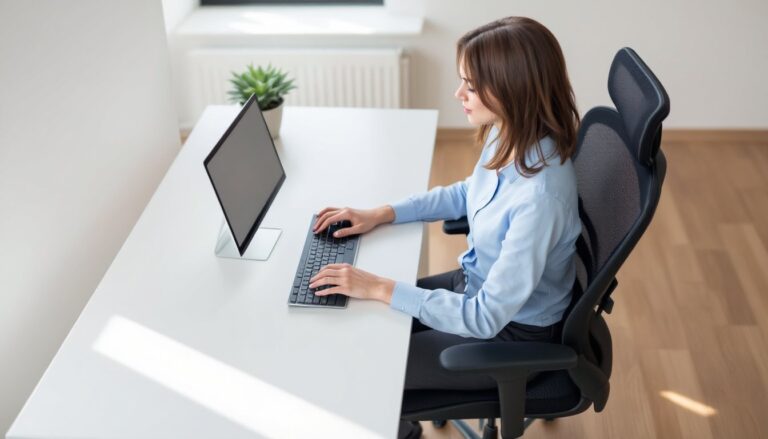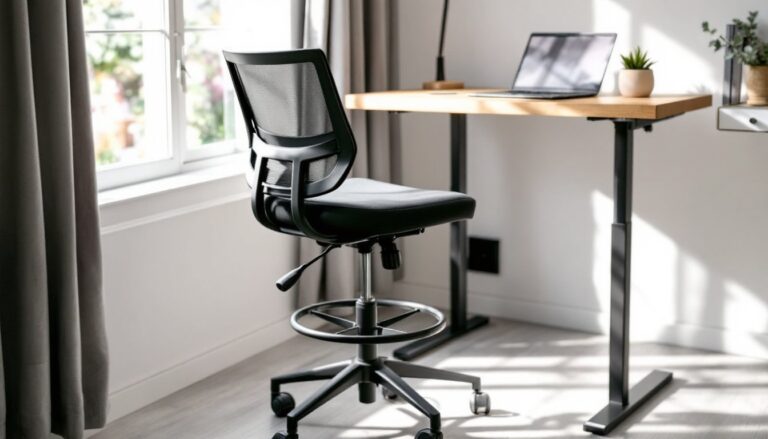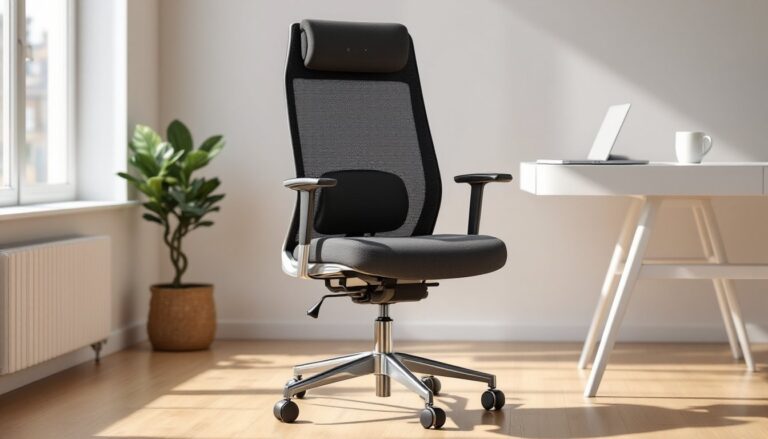
In today’s world, where the line between work and home is blurrier than ever, creating a home office that sparks joy (and productivity) is essential. Gone are the days of working from the couch in pajamas—unless that’s your thing, of course! With the right additions, a home office can transform from a mundane workspace into a haven of creativity and efficiency.
Table of Contents
ToggleUnderstanding Home Office Additions
Making effective home office additions significantly enhances productivity and joy in a workspace. These enhancements create an environment where work feels less like a chore and more like an inspiring activity.
Benefits of Home Office Additions
Integrating home office additions leads to improved focus, increased motivation, and greater efficiency. A designated workspace reduces distractions, allowing for deeper concentration on tasks. Flexibility becomes a major advantage, as customized spaces adapt to personal needs and preferences. Enhanced organization contributes to streamlined workflows. Natural lighting or soundproof additions can improve comfort and productivity, making a substantial difference in daily work routines.
Types of Home Office Additions
Various types of home office additions cater to different needs and styles. A dedicated room transformation offers separation from living areas. Built-in shelves provide essential organization for books and materials. Modular furniture allows easy reconfiguration of space. Blinds or shades can enhance lighting control. Technology upgrades, such as faster internet connections or new devices, ensure seamless workflow. Outdoor offices or garden rooms create a serene atmosphere, blending nature with work.
Planning Your Home Office Addition
Planning a home office addition requires careful consideration of various factors to optimize space and functionality. Key elements like space requirements and budget play critical roles in the process.
Assessing Space Requirements
Assessing space requirements begins with a clear understanding of how much room is necessary for the desired office setup. Consider the dimensions of desks, chairs, and storage options. Evaluate how additional furniture might fit within the existing layout. Prioritize functionality alongside comfort to create an efficient workspace. Identify possible locations, whether it’s a spare room, attic, or even a garden office, that can accommodate your plans. Space allocation impacts both workflow and organization, ensuring that all essential elements fit without being cramped.
Budget Considerations
Budget considerations encompass various aspects of the home office addition project. Determine the financial limits before exploring design options and materials. Different additions such as modular furniture or built-in shelves vary significantly in price. Researching different vendors helps find quality items that align with your budget. Factor in potential installation costs, especially for more elaborate changes or technology upgrades. Tracking expenses throughout the process aids in making informed decisions that align with overall home improvement goals. As a last step, maintain flexibility; adjusting expectations based on budget constraints can lead to innovative solutions.
Design Ideas for Home Office Additions
Creating a home office space involves various design ideas that cater to personal style and functionality. Focusing on aesthetics and utility ensures an inspiring work environment.
Modern vs. Traditional Styles
Modern style emphasizes clean lines and minimalistic elements. This approach works well with open spaces, utilizing muted colors and sleek furniture to create a chic atmosphere. Incorporating technology seamlessly, modern designs feature smart storage solutions and ergonomic desks that enhance productivity. Traditional styles, on the other hand, bring warmth and character with classic furnishings and rich wood tones. Personal touches such as vintage decor items or framed artwork can create an inviting ambiance. Balancing these styles in a home office allows individuals to reflect their personality while providing an effective workspace.
Functional Layouts
A functional layout optimizes workspace efficiency. Arranging furniture in a way that promotes ease of movement can lead to better workflow. For instance, placing the desk near a window maximizes natural light while maintaining comfort. Consider using modular furniture that adapts to changing needs, such as a standing desk that encourages movement throughout the day. Zones within the office for specific tasks, like a reading nook or a collaborative area, can further enhance productivity. Prioritizing these elements ensures that every inch of the home office serves a purpose, creating an organized and inspiring environment.
Choosing the Right Materials
Selecting the appropriate materials for a home office addition affects both aesthetics and durability. Prioritizing high-quality options enhances the overall workspace experience.
Eco-Friendly Options
Sustainable materials support environmental well-being. Bamboo furniture presents both style and strength, making it a popular choice for eco-conscious homeowners. Recycled metal or wood can provide a modern touch while minimizing waste. Non-toxic paints and finishes ensure a healthier atmosphere, reducing harmful chemical exposure. Many companies specialize in these materials, offering various options tailored to home office needs. Using energy-efficient lighting further promotes sustainability while enhancing productivity.
Cost-Effective Solutions
Affordable materials don’t compromise on quality or design. Plywood provides an economical choice for shelving and desks, offering durability without high expenses. Repurposed furniture can add character while also being cost-effective, allowing individuals to get creative with their workspace. Laminate surfaces mimic high-end finishes yet remain budget-friendly, making them a sensible option for desktops. Shopping at local stores or online marketplaces often yields good deals, making it easy to find cost-effective solutions that meet specific needs.
Creating a home office that balances productivity and comfort is essential in today’s work-from-home landscape. Thoughtful additions can transform a mundane workspace into an inspiring environment that fosters creativity and focus. By considering elements like layout, materials, and natural light, individuals can design a space that not only meets their professional needs but also enhances their overall well-being.
Investing time and resources into these improvements pays off through increased motivation and efficiency. With the right approach, a home office can become a place where work feels fulfilling rather than burdensome. Embracing these changes will help anyone thrive in their professional journey while enjoying the comforts of home.