A minimalist home office isn’t about depriving yourself of tools or comfort, it’s about cutting the noise so you can focus on what matters. Too much clutter leads to distraction, wasted time hunting for supplies, and a workspace that feels more chaotic than productive. A stripped-down setup with intentional choices helps you work smarter, not harder. Whether you’re converting a spare bedroom or carving out a corner in the living room, this guide walks through the essentials: furniture that works, storage that hides the mess, lighting that keeps you sharp, and DIY tricks to pull it all together without emptying your wallet.
Table of Contents
ToggleKey Takeaways
- A minimalist home office setup eliminates visual clutter and distractions, helping you focus better and make decisions faster while reducing stress and improving productivity.
- Essential minimalist home office furniture includes a properly sized desk (at least 48×24 inches) and an adjustable task chair with lumbar support—everything else is optional.
- Smart hidden storage through wall-mounted cabinets, floating shelves, and under-desk units keeps supplies organized without creating visual clutter that disrupts your workspace.
- Neutral wall colors (white, gray, beige) combined with proper task lighting at 4000–5000K creates an environment that supports focus and reduces fatigue during long workdays.
- Minimize tech clutter by keeping only essential devices like a single monitor and wireless keyboard, using cable management solutions, and ditching non-functional decorative items.
- Budget-friendly DIY improvements—such as repainting walls ($30–$50), building a simple desk ($80–$150), and installing floating shelves—can transform your space without expensive furniture purchases.
Why Choose a Minimalist Home Office Design?
A minimalist approach eliminates visual clutter that competes for attention. Studies show that excess items in your field of view, stacks of paper, tangled cords, random tchotchkes, slow decision-making and increase stress. When everything in your workspace has a purpose and a place, you spend less time managing stuff and more time working.
Minimalism also makes cleaning faster. Fewer surfaces to dust, fewer objects to move when vacuuming, and less accumulation of junk over time. For remote workers sharing space with family, a clean, defined workspace signals “I’m working” without needing a closed door.
Finally, a minimal setup is easier to adapt. If you need to shift from laptop work to sketching or video calls, a clean desk lets you reconfigure quickly. It’s practical, not trendy.
Essential Furniture for a Minimalist Workspace
Start with two pieces: a desk and a chair. Everything else is optional.
Choosing the Right Desk and Chair
For the desk, aim for a surface at least 48 inches wide by 24 inches deep, enough room for a monitor, keyboard, and a notebook without crowding. If space is tight, consider a wall-mounted fold-down desk or a floating shelf desk (¾-inch plywood or MDF supported by steel brackets rated for at least 50 pounds). Skip the bulky desk with built-in drawers unless you truly need them: they eat floor space and trap junk.
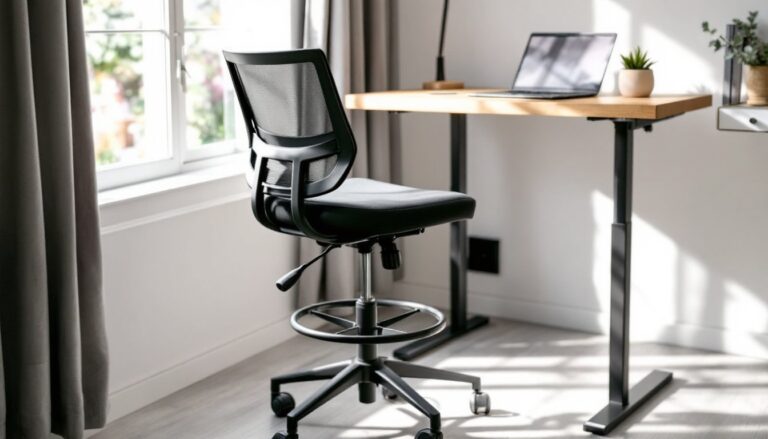
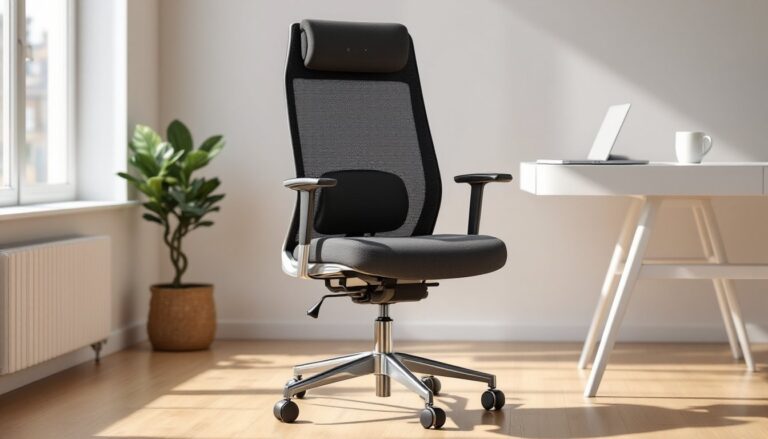
For the chair, invest in an adjustable task chair with lumbar support. Seat height should allow your feet flat on the floor and elbows at 90 degrees when typing. If budget is tight, look for used office-surplus chairs from liquidators, brands like Steelcase or Herman Miller hold up for decades. Avoid dining chairs for extended work: they’re not built for eight-hour days and will wreck your back.
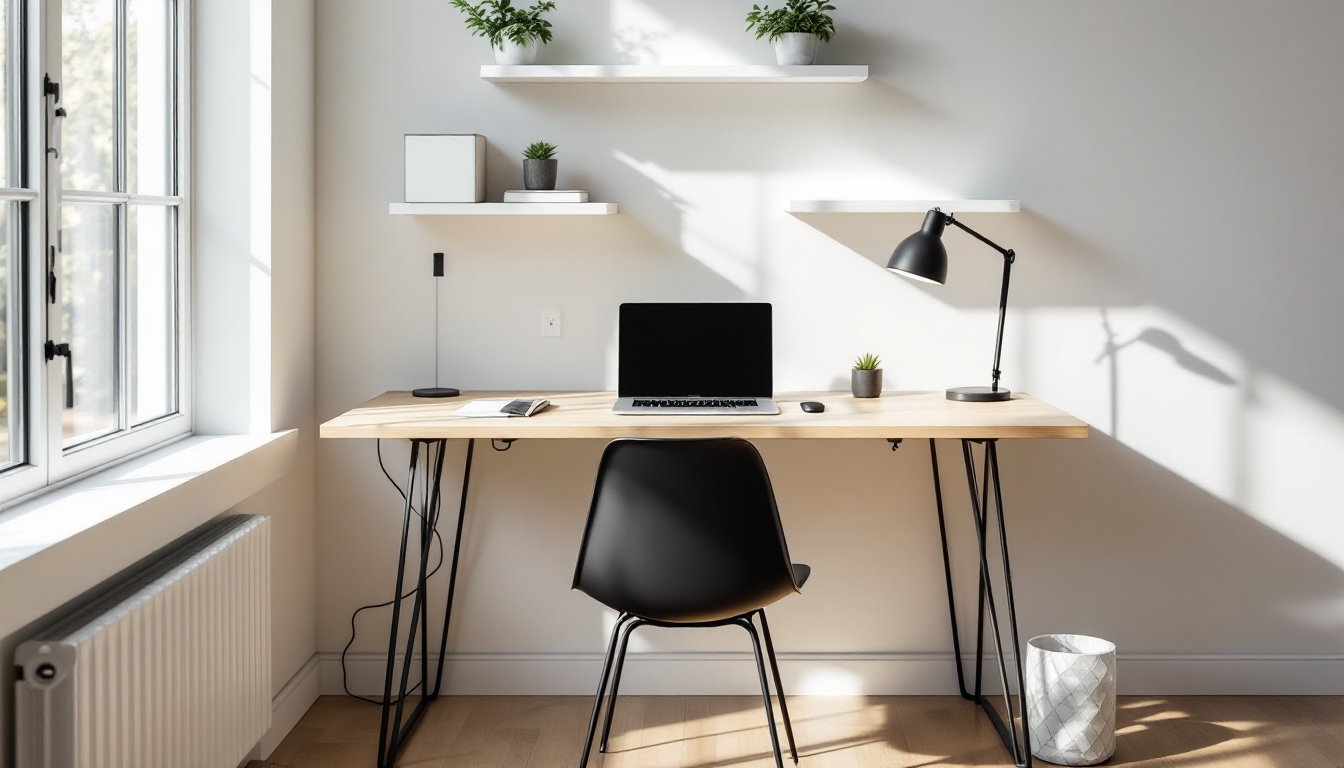
Consider a small desk layout if you’re working with limited square footage, proportions matter more than style. Keep the desk frame simple: metal hairpin legs, a trestle base, or a single pedestal. Complicated designs collect dust and make cable management harder.
Smart Storage Solutions That Keep Clutter Hidden
The key to minimalism is hiding storage, not eliminating it. You need places for supplies, but they shouldn’t be visible when you’re working.
Wall-mounted cabinets or floating shelves keep the floor clear and make a small room feel larger. Install shelves at least 18 inches above the desk to avoid head-bumping. Use closed-front cabinets or bins with lids for anything you don’t need daily, printer paper, cables, old tax documents.
Under-desk storage works if your desk legs allow it. A rolling file cabinet or a slim drawer unit (ideally 12–15 inches wide) tucks under one side. Look for units on casters so you can pull them out when needed and push them back out of sight.
For cables, use cable raceways or adhesive clips to run power and data lines along the desk legs or wall. A power strip with mounting holes screwed to the underside of the desk keeps plugs off the floor. Velcro cable ties bundle excess cord length. These small touches prevent the spaghetti nest that kills a minimal look.
Don’t skip a trash bin and a recycling container. Place them under or beside the desk. A workspace without visible waste management just moves clutter from the desk to the floor.
Color Palette and Lighting for Maximum Focus
Color impacts mood and focus. For a minimalist office, stick to neutral base tones, white, gray, beige, or soft taupe on walls. These reflect light and won’t visually tire you over long workdays. If you want contrast, add it through a single accent wall in a muted blue or green, both of which have been shown to support concentration.
Avoid busy wallpaper, bold patterns, or high-contrast schemes (like stark black-and-white). They create visual noise and defeat the purpose of minimalism. Paint with a low-VOC or zero-VOC interior latex to minimize off-gassing, especially in a small, enclosed space.
Lighting matters more than most DIYers think. Natural light is ideal, position your desk perpendicular to a window to reduce glare on screens. If you’re working evenings or in a windowless room, layer your lighting: overhead ambient light (an LED flush-mount fixture or recessed cans if you’re wiring new) plus a task light on the desk.
For task lighting, choose an adjustable LED desk lamp with a color temperature of 4000–5000K (neutral to cool white), which mimics daylight and supports alertness. Avoid warm (2700K) bulbs in a workspace, they’re too relaxing. Dimmable fixtures give you control throughout the day. Design enthusiasts often reference sources like Design Milk for modern lighting fixtures that blend function with minimal aesthetics.
Tech and Accessories: What to Keep and What to Ditch
Tech clutter is the enemy of a minimal office. Start by reducing the number of devices on your desk.
Keep:
- One monitor (or a laptop on a stand). Dual monitors are useful for certain workflows, but if you don’t need them daily, skip them.
- Wireless keyboard and mouse. Fewer cables, cleaner look. Rechargeable models eliminate disposable batteries.
- A single charging station or USB hub with enough ports for phone, tablet, and peripherals. Mount it under the desk or in a drawer.
Ditch:
- Printers (unless essential). Most home workers can go paperless or print occasionally at a shop. If you must have one, store it on a separate shelf or in a closet and pull it out when needed.
- Desktop organizers, pen cups, sticky note dispensers. These collect junk. Keep one pen, one pencil, and a small notepad in a desk drawer.
- Decorative items that don’t serve a function. A single plant or framed photo is fine: a collection of mugs, tchotchkes, and “Live Laugh Work” signs is not.
Cable management is non-negotiable. Use cable sleeves to bundle monitor, keyboard, and power cables into a single run. If drilling into the desk, run cables through a grommet to keep them hidden. Streamlined workspace design techniques often emphasize reducing visible tech as a priority.
For essential office accessories, choose multipurpose items. A wireless charger that doubles as a phone stand, or a monitor with a built-in USB hub, reduces device sprawl.
DIY Tips for Transforming Your Space on a Budget
You don’t need new furniture or a complete remodel to go minimal. Here’s how to adapt what you have.
Repaint walls. A gallon of interior latex covers roughly 350–400 square feet (one coat). For a typical 10×10 office, budget one gallon plus a quart for touch-ups. Use a low-nap roller (¼-inch) for smooth walls. Cost: around $30–$50 for quality paint.
Build a simple desk. Buy a solid-core door blank or a sheet of ¾-inch hardwood plywood (cut to size at the lumberyard), sand it, and finish with polyurethane or Danish oil. Mount it on adjustable-height desk legs (available at home centers for $40–$80 per pair) or hairpin legs for a lighter look. Total cost: $80–$150, depending on materials.
Install floating shelves. Cut 1×8 or 1×10 pine boards to length. Locate studs with a stud finder and mount with heavy-duty shelf brackets rated for the load (books and office supplies can weigh 30+ pounds per linear foot). Finish with stain or paint to match the walls. Each 4-foot shelf runs about $15–$25.
Upgrade lighting without rewiring. Swap a dated overhead fixture for a modern LED flush-mount (no electrician needed if you’re comfortable with a wire nut and a circuit breaker). Plug-in LED strip lights under shelves add task lighting without hardwiring. Many small-space strategies from Apartment Therapy emphasize simple lighting swaps as high-impact, low-cost improvements.
Declutter ruthlessly. Before buying anything, remove everything from the room and only bring back what you use weekly. Donate, sell, or trash the rest. A minimalist office starts with subtraction, not addition.
For compact office layout planning, sketch your floor plan on graph paper (¼-inch = 1 foot) before moving furniture. Measure twice, drill once.