An office accent chair isn’t just extra seating, it’s a design element that completes a home workspace while adding functional flexibility. Unlike the primary desk chair where someone spends hours typing away, an accent chair fills a different role: reading space, client seating, or a spot to step away from the screen without leaving the room entirely. Many homeowners overlook this piece when setting up a home office, then realize they’re missing a crucial element that ties the room together. Whether converting a spare bedroom or carving out a corner in the living room, the right accent chair bridges the gap between comfort and visual appeal.
Table of Contents
ToggleKey Takeaways
- An office accent chair serves as both a design element and functional secondary seating zone, distinct from a primary task chair that prioritizes ergonomic support for long workdays.
- When selecting an office accent chair, match the style (modern, traditional, industrial) to your existing décor and room architecture to create a cohesive workspace that enhances client impressions.
- Prioritize chairs with hardwood frames, high-density foam (1.8–2.0 lb/ft³), proper seat dimensions (17–19 inches deep, 20–24 inches wide), and fabrics rated 20,000+ double rubs for durability in daily office environments.
- Strategic placement of your accent chair 4–6 feet from the desk, near windows, or at a 45-degree angle in corners maximizes both functionality and visual balance while creating a distinct secondary work zone.
- DIY reupholstering, wood refinishing, and decorative nail head trim projects can transform an outdated or secondhand office accent chair affordably, provided the frame remains structurally sound.
What Makes an Office Accent Chair Different from a Regular Desk Chair?
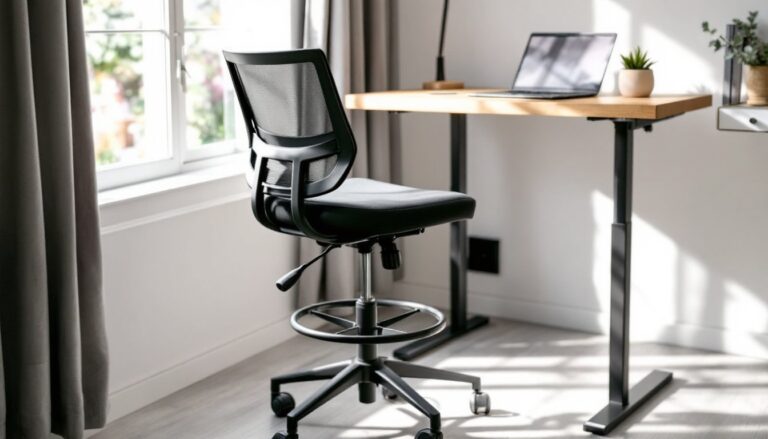
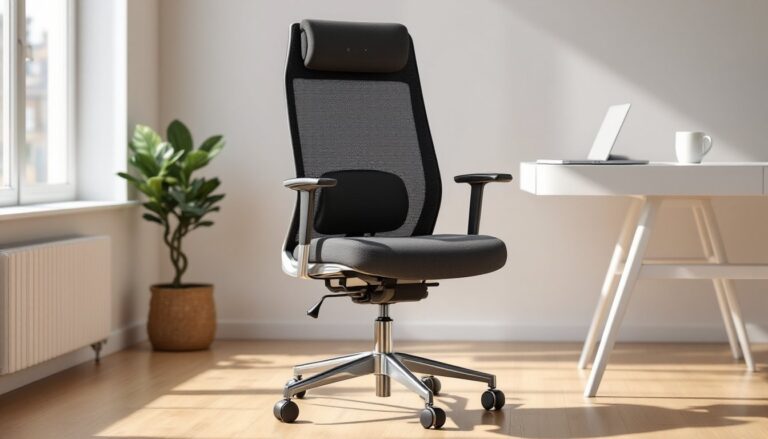
The fundamental difference lies in purpose and design philosophy. A task chair prioritizes ergonomic support for 4–8 hour stretches, with adjustable lumbar support, seat height mechanisms, and swivel bases. An accent chair focuses on aesthetics and occasional use, think 30 minutes to an hour at a time.
Accent chairs typically lack wheels, gas lift cylinders, and tension controls. They’re stationary pieces with fixed legs, often upholstered in statement fabrics or finished wood. While an ergonomic desk chair might have mesh backing and pneumatic adjustments, an accent chair could feature velvet upholstery, brass legs, or carved wood details.
That doesn’t mean accent chairs ignore comfort entirely. Quality models include high-density foam (minimum 1.8 lb/ft³ density), proper seat depth (17–19 inches for most adults), and supportive backs. The difference is they’re built for intermittent use, reading project plans, taking phone calls away from the desk, or providing seating when meeting with contractors or clients at home.
For anyone building a complete home office setup, the accent chair complements rather than replaces the primary task chair. It adds visual weight to balance larger furniture and creates a secondary functional zone within the workspace.
Choosing the Right Style for Your Home Office
Style selection depends on the existing office furniture, the room’s architectural details, and how the space connects to adjacent areas. A home office visible from a living room or hallway benefits from a chair that echoes the home’s broader design language.
Modern and Minimalist Designs
Clean-lined accent chairs with exposed wood or metal frames work well in spaces with contemporary executive desks and minimal trim work. Look for:
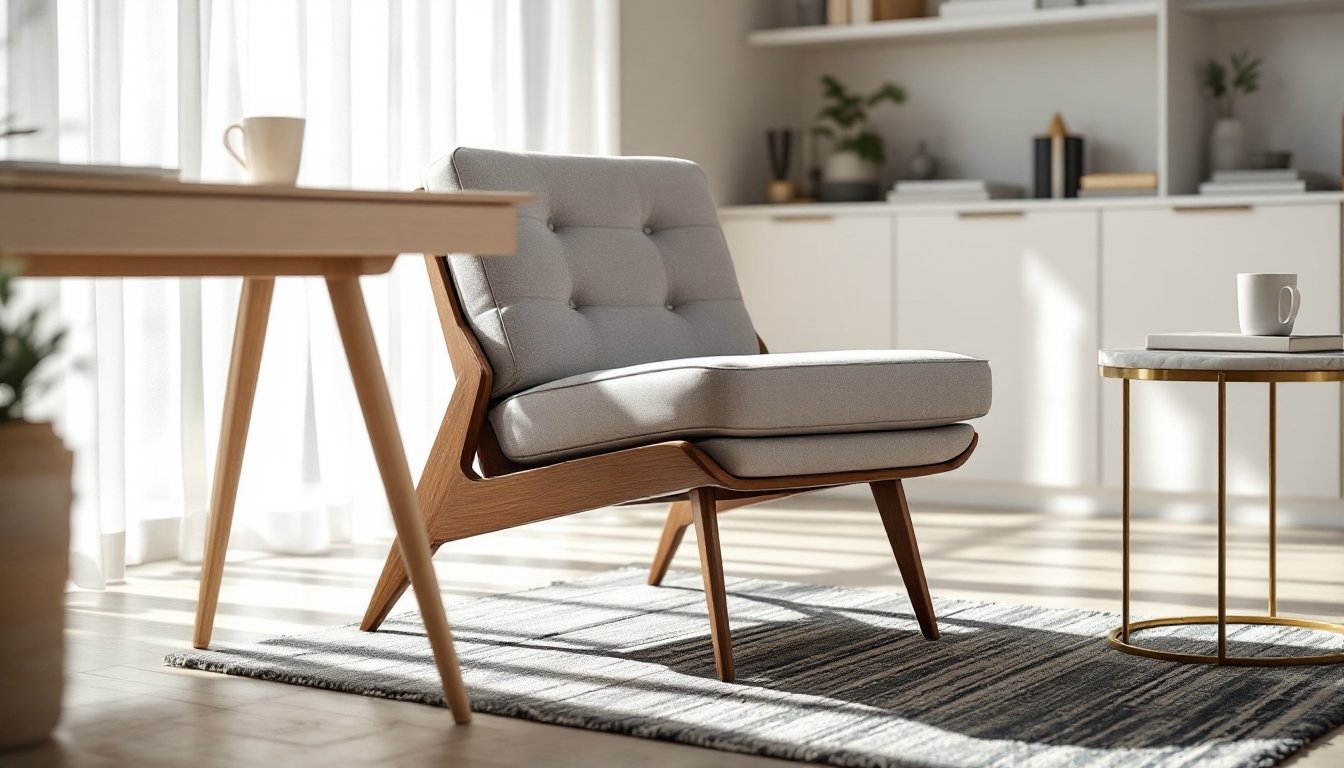
- Mid-century modern silhouettes: Tapered legs, angled backs, and button tufting in neutral tones (charcoal, beige, walnut)
- Scandinavian-inspired pieces: Light ash or birch frames with linen or wool upholstery
- Industrial styles: Powder-coated steel frames with leather or canvas seats
These styles pair naturally with laminate or veneer desks, floating shelves, and tech-forward accessories. Avoid overly ornate details, a single accent color or texture provides enough visual interest without competing with monitors and equipment.
Platforms like Houzz showcase thousands of modern office setups where homeowners have matched accent chairs to built-in millwork and desk finishes.
Traditional and Classic Options
Wingback chairs, club chairs, and bergères suit home offices in older homes with crown molding, wainscoting, or traditional millwork. Key characteristics include:
- Turned wood legs: Walnut, cherry, or mahogany finishes that match traditional desk styles
- Nail head trim: Decorative brass or pewter tacks along seat edges and back panels
- Rich upholstery fabrics: Leather, damask, herringbone wool, or velvet in deep tones (burgundy, forest green, navy)
Traditional chairs work in rooms with paneled doors, coffered ceilings, or built-in bookcases. They add gravitas to video call backgrounds and create a professional impression for clients visiting a home-based business.
Inspiration for traditional office styling appears frequently on Elle Decor, where designers pair classic seating with antique desks and layered textiles.
Essential Features to Look for in an Office Accent Chair
Not all accent chairs deliver the durability and comfort needed for daily office use. Focus on these structural and material considerations:
Frame construction: Hardwood frames (oak, maple, beech) outlast softwood and particleboard. Check corner blocks, triangular wood braces where legs meet the seat frame, which prevent racking and wobbling. Joints should use mortise-and-tenon or dowel construction, not just glue and staples.
Seat cushioning: High-density foam (1.8–2.0 lb/ft³) maintains shape over time. Lower-density foam compresses within 6–12 months of regular use, creating uncomfortable valleys. Some higher-end chairs layer foam over sinuous spring (S-spring) systems for better weight distribution.
Seat dimensions:
- Seat depth: 17–19 inches (allows thighs to rest without cutting off circulation behind the knees)
- Seat width: 20–24 inches (accommodates different body types comfortably)
- Seat height: 17–19 inches from floor (matches standard desk height and allows feet to rest flat)
Back support: Even for occasional use, a chair back should reach at least mid-shoulder blade. Lumbar support isn’t adjustable like task chairs, but the back should curve slightly forward at the lower spine rather than angling straight back.
Upholstery durability: For office use, look for fabrics rated 20,000+ double rubs (Wyzenbeek test) or 30,000+ cycles (Martindale test). Performance fabrics resist stains and wear better than decorator-grade materials. Leather ages well but requires conditioning every 6–12 months in climate-controlled spaces.
Weight capacity: Most accent chairs support 250–300 pounds. If the chair will see regular use, verify the manufacturer’s rating, lightweight decorative chairs may not hold up to daily office demands.
How to Position Your Accent Chair for Maximum Impact
Placement determines whether an accent chair becomes a functional workspace element or just decorative filler. Strategic positioning enhances both usability and room flow.
Create a secondary zone: Position the chair 4–6 feet from the desk, angled toward a window or bookshelf. This establishes a distinct area for tasks that don’t require a computer, reviewing printed documents, sketching ideas, or taking phone calls. Add a small side table (18–24 inches tall) within arm’s reach for coffee, notebooks, or a reading lamp.
Balance visual weight: In rectangular offices, place the chair opposite the desk to balance the room’s sight lines. In square rooms, a corner placement at a 45-degree angle softens hard edges and makes the space feel less boxy. Ensure at least 36 inches of clearance around the chair for comfortable entry and exit.
Leverage natural light: Positioning an accent chair near a window takes advantage of daylight for reading and reduces eye strain. If the chair faces the window directly, add a floor lamp with a three-way bulb (50/100/150W equivalent LED) for overcast days or evening use.
Consider video call backgrounds: If the office doubles as a meeting space, position the chair so it appears in video call backgrounds. A well-styled accent chair signals professionalism and thoughtfulness. Avoid placing it where harsh backlighting from windows will blow out the video exposure, position windows to the side instead.
Anchor with area rugs: A 5×7-foot or 6×9-foot area rug can define the accent chair zone, especially in open-plan spaces or multipurpose rooms. Ensure the rug extends at least 18 inches beyond the chair’s footprint on all sides. This prevents the chair legs from catching on the rug edge and adds acoustic dampening to hard flooring.
Design inspiration for space planning often appears on Homify, where homeowners showcase functional layouts in various office sizes.
DIY Tips to Refresh and Personalize Your Office Accent Chair
Breathing new life into an accent chair, whether secondhand, inherited, or simply outdated, requires basic tools and moderate skill. These projects range from quick cosmetic updates to more involved structural repairs.
Reupholstering the Seat
Replacing worn fabric transforms the chair’s appearance without replacing the entire piece. This project works best on chairs with removable seat cushions.
Materials needed:
- Upholstery fabric (1–2 yards for a typical accent chair seat)
- High-density foam (2-inch thickness, 1.8 lb/ft³ minimum)
- Batting or cotton linter
- Spray adhesive
- Staple gun with 3/8-inch staples
Steps:
- Remove the seat by flipping the chair and unscrewing the corner brackets (typically four screws).
- Strip old fabric and foam using a flathead screwdriver to pry out staples. Wear work gloves, old staples have sharp edges.
- Cut new foam to match the seat base dimensions using a serrated bread knife or electric carving knife. Spray adhesive bonds foam to the wood base.
- Layer batting over foam, pulling taut and stapling to the underside. Start at the center of each side, working toward corners.
- Drape fabric right-side up, center the pattern, then flip and staple from the center of the back edge, pulling firmly. Work opposite sides (back, then front, then each side), smoothing wrinkles as you go.
- At corners, fold fabric neatly (hospital corners or pleats), trim excess, and secure with two staples.
- Reattach the seat to the frame.
Refinishing Wood Frames
Scratched, faded, or mismatched wood legs benefit from stripping and refinishing.
Materials needed:
- Citrus-based stripper or methylene chloride-based remover (the latter works faster but requires ventilation and nitrile gloves)
- Scrapers and steel wool (0000 grade)
- Sandpaper (120, 180, 220 grit)
- Wood stain or paint
- Polyurethane (water- or oil-based)
Steps:
- Work outdoors or in a garage with open doors. Wear nitrile gloves, safety goggles, and a respirator rated for organic vapors if using chemical strippers.
- Apply stripper with a cheap brush, let it sit per manufacturer’s directions (usually 15–30 minutes), then scrape off softened finish.
- Sand with 120-grit to remove residue, then progress to 180 and 220 grit for smoothness.
- Apply stain with a foam brush or rag, wiping excess after 5–10 minutes. Let dry 24 hours.
- Seal with two coats of polyurethane, sanding lightly with 220-grit between coats. Oil-based poly yellows slightly but is more durable: water-based poly dries clear and fast but scratches more easily.
Adding Decorative Nail Head Trim
Nail heads create a designer look on plain upholstered chairs. Available in brass, pewter, copper, and black finishes at fabric stores.
Steps:
- Plan the trim line using painter’s tape as a guide. Standard spacing is 1/2 inch to 1 inch between nail heads.
- Mark nail positions lightly with chalk.
- Tap decorative nails through fabric into the wood frame using a tack hammer. Hold a scrap of wood against the nail head to avoid marring the finish.
- Keep spacing consistent, use a ruler or spacer tool for accuracy.
Safety note: Always work in ventilated areas when using spray adhesives, strippers, or finishes. VOC content in traditional finishes can cause headaches and respiratory irritation. Low-VOC and water-based alternatives reduce exposure but may require additional coats.
For chairs with structural issues, loose joints, cracked frames, or broken springs, consult an upholstery professional. Repairs involving frame reconstruction require clamps, wood glue, and experience with furniture joinery that goes beyond typical DIY skill levels.