When it comes to pool maintenance, having the right equipment is like having a secret weapon against algae and debris. Imagine diving into crystal-clear water instead of a murky swamp. With the right tools, keeping your pool in top shape can be as easy as cannonballing into it on a hot summer day.
From robotic vacuums that do all the dirty work to chemical testers that ensure your pool’s water is just right, the right gear can make all the difference. Plus, who wouldn’t want to impress friends with a sparkling pool that looks like it belongs in a magazine? So let’s dive into the world of pool maintenance equipment and discover how to turn that backyard oasis into a shimmering paradise without breaking a sweat.
Importance Of Pool Maintenance Equipment
Pool maintenance equipment plays a vital role in preserving water quality and enhancing the longevity of pool infrastructure. Efficient tools keep the pool clean and safe, preventing the buildup of harmful contaminants and algae.
Effective Water Filtration
Proper filtration systems eliminate debris and maintain clear water. A quality pool filter captures particles and ensures a healthier swimming environment. Regular use keeps the pool inviting and reduces the risk of waterborne illnesses.
Accurate Water Testing
Water testers provide accurate readings of pH, chlorine, and alkalinity levels. Maintaining balanced chemistry prevents corrosion and scaling, promoting a safe swimming experience. Regular testing encourages timely adjustments to water chemistry, contributing to overall pool health.
Efficient Debris Removal
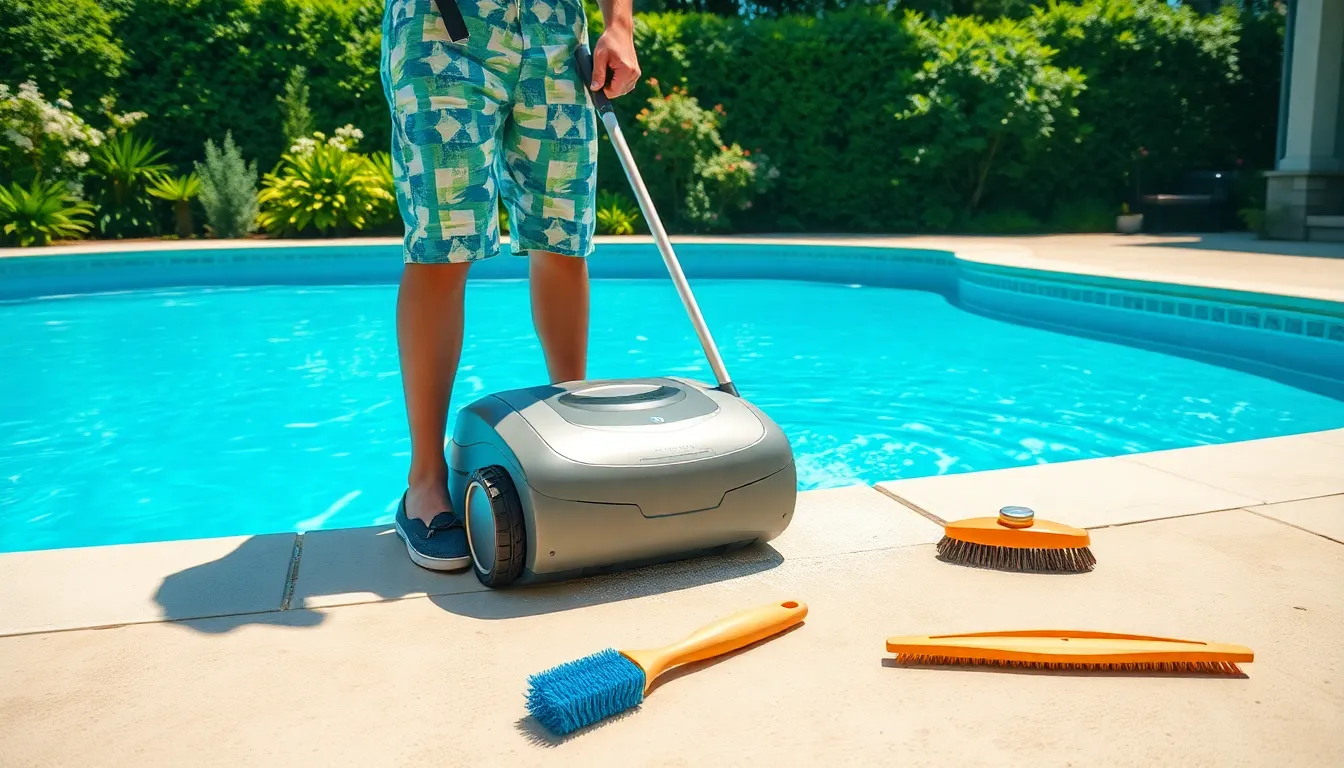
Robotic vacuums automate the cleaning process, effortlessly removing dirt and leaves. These vacuums reduce the workload for pool owners, ensuring even hard-to-reach areas remain clean. Regular debris removal decreases algae growth and keeps the water sparkling.
Maintenance of Essential Components
Equipment like skimmers and brushes maintain the pool’s structural integrity. Skimmers capture floating debris, while brushes clean walls and tiles, preventing stains. Routine maintenance with these tools prolongs the life of the pool surfaces, ensuring durability.
Cost-Effective Solutions
Investing in quality maintenance equipment proves cost-effective in the long run. The reduction of chemical use and repairs leads to significant savings. Each tool enhances efficiency, driving down the overall cost of pool ownership.
Effective pool maintenance equipment proves essential for superb water quality, aesthetic appeal, and cost management. Using the right tools guarantees a clean, safe, and enjoyable swimming experience.
Types Of Pool Maintenance Equipment
Pool maintenance equipment comes in various forms, each designed to ensure optimal water quality and cleanliness. Understanding these types aids in selecting the right tools for efficient maintenance.
Manual Cleaning Tools
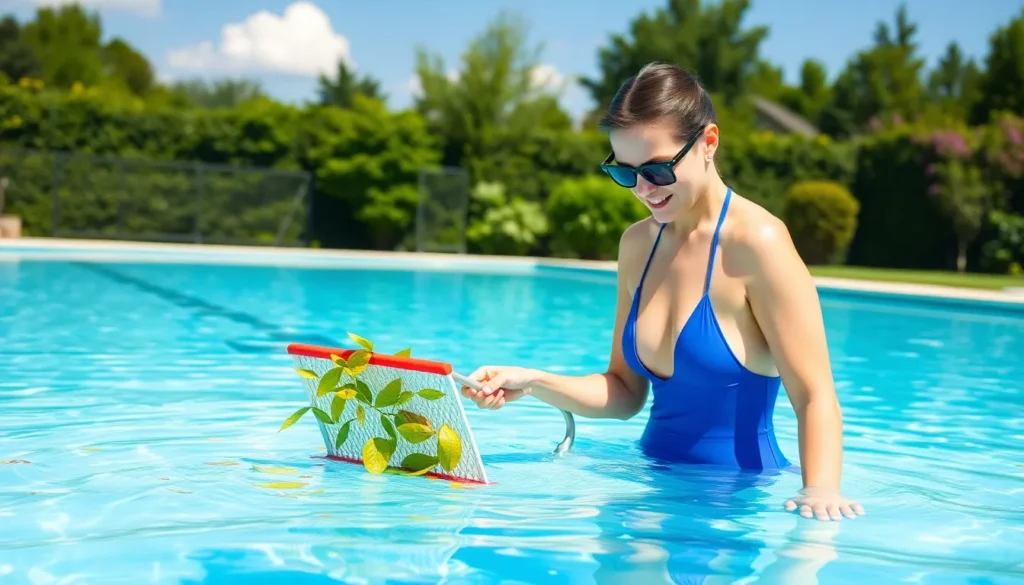
Manual cleaning tools include skimmers, brushes, and vacuum heads. Skimmers remove floating debris and leaves from the pool’s surface, ensuring clean water. Brushes help scrub walls and floors, tackling algae buildup and stains. Vacuum heads connect to a pole or hose for targeted debris removal. Each tool requires physical effort but offers control over the cleaning process, making them reliable for pool owners who prefer a hands-on approach.
Automatic Cleaners
Automatic cleaners simplify pool maintenance by mechanizing the cleaning process. Robotic cleaners navigate the pool, effectively sucking up debris and dirt without user intervention. Suction-side and pressure-side cleaners use the pool’s filtration system to collect contaminants. These devices allow pool owners to maintain cleanliness with minimal labor, ensuring a consistently inviting pool environment.
Filtration Systems
Filtration systems maintain water clarity and hygiene. They include cartridge filters, sand filters, and diatomaceous earth filters. Cartridge filters use pleated fabric to catch debris, while sand filters use sand granules to trap particles. Diatomaceous earth filters use microscopic earth particles for superior filtration. A functional filtration system reduces harmful contaminants, enhancing water quality and prolonging the life of pool surfaces and equipment.
Water Testing Kits
Water testing kits are essential for monitoring pool chemistry. These kits include test strips and liquid reagents that analyze pH, chlorine levels, alkalinity, and other chemical balances. Regular testing ensures safe swimming conditions by preventing algae growth and maintaining appropriate water chemistry. Accurate measurements allow pool owners to adjust chemical levels promptly, contributing to overall pool health and swimmer safety.
Choosing The Right Equipment
Selecting appropriate pool maintenance equipment enhances the efficiency of upkeep. The right tools facilitate a clean and safe swimming environment.
Assessing Pool Size And Type
Assess the pool’s dimensions and design before selecting equipment. Different pool sizes require specific tools, as larger pools benefit from powerful automatic cleaners that cover extensive areas efficiently. For example, in-ground pools often necessitate robust filtration systems, while above-ground pools may require simpler, portable options. Additionally, consider the pool’s shape and features, such as steps and water slides. Heavy-duty skimmers or specialized brushes may suit pools with complex surfaces, ensuring effective cleaning without damaging materials.
Budget Considerations
Establish a budget for pool maintenance equipment to prevent overspending. Evaluate both initial costs and long-term expenses when choosing equipment. While investing in higher-quality tools may result in higher upfront costs, it typically reduces future repair and maintenance expenses. For instance, durable filtration systems and reliable robotic vacuums enhance efficiency, decreasing chemical consumption and labor costs. On the other hand, selecting budget options without proper research may lead to frequent replacements. Prioritize equipment that aligns with maintenance needs and offers a balance between quality and affordability.
Maintenance Tips For Pool Equipment
Inspect regularly: Inspect all equipment, including pumps, filters, and heaters, monthly for wear and tear. Check for leaks, corrosion, and dirt buildup to catch issues early.
Clean filters: Clean cartridge filters every 4 to 6 weeks. Backwash sand filters every 1 to 2 months or as required based on water clarity. Maintain clear filters to ensure efficient circulation and filtration.
Monitor chemicals: Test water chemistry weekly using reliable testing kits. Adjust chlorine, pH, and alkalinity promptly to maintain safe swimming conditions. Proper chemical balance prevents equipment damage.
Check water levels: Monitor water levels bi-weekly, ensuring they remain at appropriate levels for skimmer operation. Low water levels can lead to damage, while high levels might hinder skimming efficiency.
Maintain pool surface: Brush pool walls and floors twice a week to prevent algae buildup. Use the correct brushes for different surfaces—nylon for vinyl, stainless steel for concrete.
Store equipment properly: Store all maintenance equipment, such as vacuum hoses and cleaning tools, in a dry, shaded area. Proper storage prolongs equipment lifespan and prevents damage from sun exposure.
Inspect automatic cleaners: Evaluate robotic and suction-side cleaners monthly. Remove debris from brushes and inspect hoses for cracks or kinks. Ensure efficient operation for effective cleaning.
Service pumps: Schedule professional servicing for pumps once a year. A qualified technician can identify potential issues and perform necessary maintenance, ensuring optimal performance.
Replace worn parts: Replace o-rings, baskets, and seals as needed. Regularly replacing worn parts maintains efficiency and prevents damage to the overall system.
Document maintenance: Keep a maintenance log detailing inspections, cleaning, and repairs. Documenting helps track equipment performance and identifies recurring issues.
Investing in the right pool maintenance equipment is essential for every pool owner. With the right tools at their disposal they can ensure a clean and safe swimming environment. From robotic vacuums to effective filtration systems each piece of equipment plays a crucial role in maintaining water quality and extending the life of the pool.
Regular maintenance and proper equipment selection tailored to the pool’s size and type can save both time and money. By prioritizing quality and efficiency pool owners can enjoy a beautiful oasis that’s always ready for a refreshing dip. Embracing these practices not only enhances the swimming experience but also fosters long-term satisfaction with their investment.