When summer rolls around, nothing beats diving into a sparkling blue pool. But before cannonballing into that refreshing oasis, it’s crucial to ensure it’s in tip-top shape. After all, nobody wants to swim in a green swamp that could double as a science experiment!
Swimming pool maintenance might sound like a chore, but with the right tips and tricks, it can be as easy as floating on a pool floaty. From balancing chemicals to skimming leaves, keeping that water clear and inviting doesn’t have to feel like rocket science. With a little humor and a splash of knowledge, maintaining your pool can become a breeze, allowing you to focus on what really matters: perfecting your belly flop! Dive in and discover how to keep your pool pristine and ready for fun.
Table of Contents
ToggleImportance Of Swimming Pool Maintenance
Swimming pool maintenance plays a crucial role in ensuring cleanliness and safety for swimmers. Regular upkeep prevents the growth of harmful bacteria and algae, protecting the health of everyone who enjoys the pool. Clear and balanced water enhances the swimming experience, making it visually inviting and enjoyable.
Consistent maintenance helps avoid costly repairs in the long run. When water chemistry remains stable, pool equipment functions efficiently, reducing wear and tear. It’s essential to check filters and pumps regularly, as neglected systems can lead to significant expenses.
Safety measures become paramount when considering pool maintenance. An unkempt pool poses risks like slips, falls, or drowning incidents. Proper cleaning and regular inspections help identify any safety hazards, ensuring a secure environment for families and guests.
Additionally, well-maintained pools contribute to property value. A stunning and clean pool attracts potential buyers. Homeowners see a positive return on investment y enhancing aesthetic appeal and functionality.
Incorporating preventative steps, such as skimming debris and testing water regularly, maintains pool clarity without consuming excessive time. Efficiency matters; quick routines can stay integrated into busy lifestyles. By prioritizing maintenance tasks, individuals can enjoy their pool without neglecting its condition.
Ultimately, the joy of summer swimming relies on effective pool maintenance. Keeping water clean and balanced leads to delightful experiences by the water. Prioritize maintenance to ensure each swim is refreshing and safe.
Essential Maintenance Tasks
Maintaining a swimming pool requires diligent attention to several essential tasks. These actions help ensure the water remains safe and enjoyable for swimmers.
Regular Water Testing
Testing the pool water regularly proves vital for maintaining chemical balance. Pool owners should check pH, chlorine, and alkalinity levels at least twice a week, especially during peak usage. Water with an appropriate pH level, typically between 7.2 and 7.8, enhances swimmer comfort and prevents equipment corrosion. Chlorine levels ideally range from 1 to 3 parts per million (ppm) to effectively kill bacteria and algae. Alkalinity should measure between 80 and 120 ppm, stabilizing pH fluctuations. If water conditions fall outside these ranges, adjustments can restore balance quicker and prevent potential health risks.
Cleaning Procedures
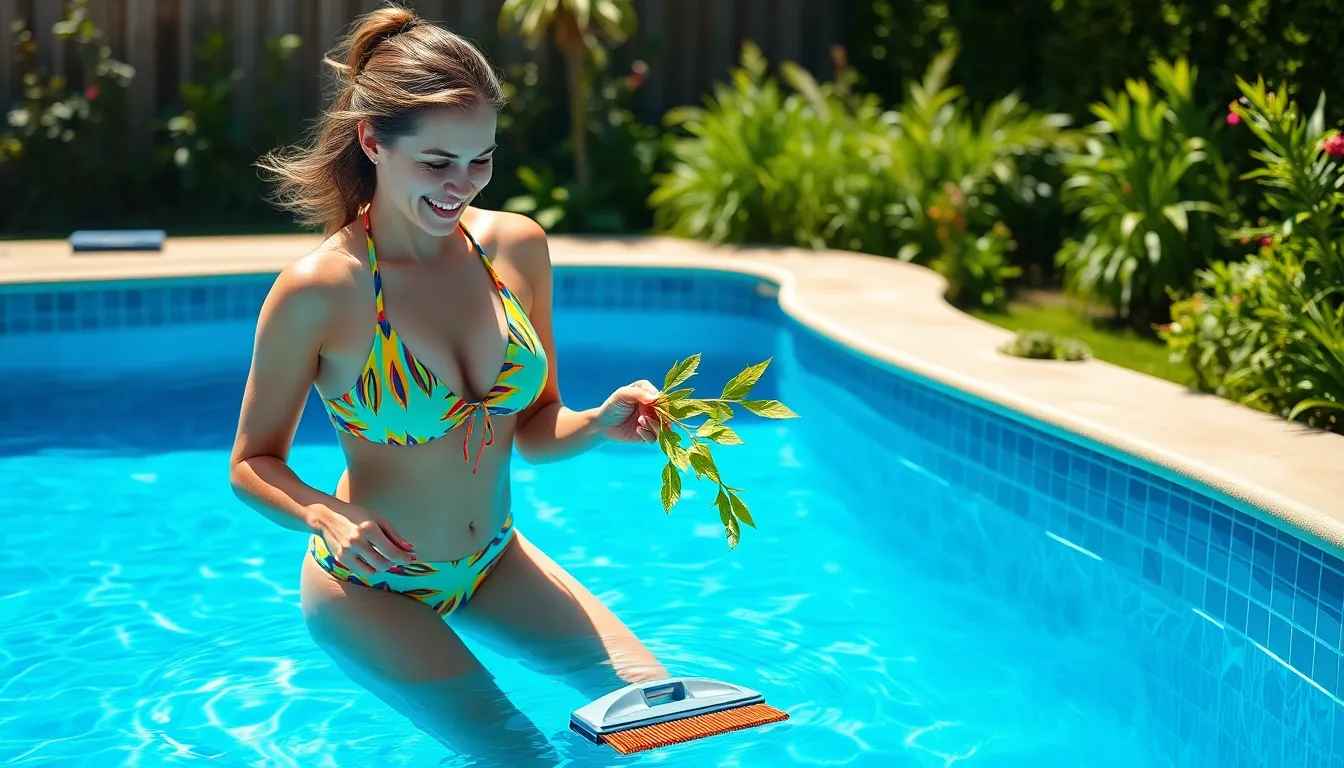
Cleaning the pool regularly keeps it inviting and safe. Pool owners must skim the surface daily to remove debris like leaves and insects. Vacuuming should occur at least once a week to eliminate dirt that settles on the bottom. Brushing the walls and floor helps prevent algae buildup, ensuring smooth and clean surfaces. Cleaning pool filters every month is essential for maximizing circulation and reducing strain on the pump. Removing any buildup in skimmers also enhances water flow. Implementing these practices routinely not only improves aesthetics but also extends the life of the pool equipment.
Tools And Equipment Needed
Maintaining a swimming pool requires specific tools and equipment for efficiency and effectiveness. Using the right gear not only simplifies tasks but also enhances the overall swimming experience.
Pool Vacuum Options
Different types of pool vacuums serve various needs. Suction vacuums attach to the pool’s skimmer or dedicated line, providing effective debris removal. Pressure-side vacuums operate by using water pressure to clean the pool, while robotic vacuums offer automated cleaning without manual effort. Selecting an optimal vacuum depends on the pool size and individual preferences. Regardless of type, regular vacuuming keeps the pool free of dirt and debris.
Test Kits Overview
Water quality testing is crucial for ensuring a safe swimming environment. Common test kits include strips and liquid reagents, each offering a reliable method to measure chemical levels. Test kits assess pH, chlorine, and alkalinity, allowing owners to maintain balanced water. Using a test kit at least twice weekly proves beneficial during high usage periods. Each kit typically includes a detailed instruction manual, making it easy to understand how to achieve optimal results.
Common Pool Issues
Swimming pools often face common issues that can impact their cleanliness and safety. Understanding these problems helps pool owners prevent larger complications.
Algae Growth Prevention
Algae growth poses a significant risk to pool hygiene. To combat this, maintaining proper chlorine levels becomes essential, keeping them between 1 and 3 ppm. Regularly brushing pool walls and floors helps dislodge algae before it settles. It’s also crucial to ensure water circulation remains optimal; running the pump for at least 8-12 hours daily promotes even distribution of chemicals. Using algaecides as a preventive measure can further reduce the likelihood of outbreaks. Pool owners should replace filters or clean them frequently to maintain cleanliness. Keeping an eye out for cloudy water, a common algae indicator, can prompt prompt action to resolve issues.
Equipment Malfunctions
Equipment malfunctions can lead to costly repairs and decreased pool functionality. Pool owners should regularly check pumps and filters for signs of wear. Inspecting hoses and connections for leaks is vital, as small issues can escalate quickly. An unusual noise or a decrease in water flow often indicates a problem needing immediate attention. Scheduled maintenance, including lubrication of moving parts, ensures equipment longevity. Moreover, regular testing of the water level can prevent damage to pumps caused by low water. Keeping equipment manuals handy aids in troubleshooting common problems efficiently.
Seasonal Maintenance Tips
Preparing a swimming pool for seasonal changes involves several crucial steps. For spring, focus on removing debris from the pool, cleaning surfaces, and ensuring equipment is in good working order. This sets the stage for a clean swimming experience.
Testing water chemistry is vital. Pool owners should check pH, chlorine, and alkalinity levels at least twice a week. Adjustments may involve adding chemicals to restore balance. Maintaining this consistency prevents algae growth and keeps the water crystal clear.
Summer maintenance requires regular skimming and vacuuming. Daily skimming removes leaves and insects, while vacuuming once a week eliminates dirt settled at the bottom. Effective circulation enhances water clarity. This is an opportune time for brushing pool walls and floors to prevent buildup.
As temperatures decline in fall, focus shifts toward preparing the pool for winter. Cleaning and draining equipment is essential. Covering the pool helps keep debris out and protects it from harsh weather conditions.
Winter maintenance thrives on regular monitoring. Pool owners should check covers for signs of wear and ensure that gutters are clear. Keeping the water level stable prevents freezing and protects the pool structure. Performing any necessary repairs during this time avoids issues for the spring season.
Successful seasonal maintenance strategies keep pools ready for enjoyment year-round. By adhering to these tips, pool owners ensure a safe and inviting swimming environment for everyone.
Maintaining a swimming pool is vital for ensuring a safe and enjoyable experience. With the right approach and regular upkeep pool owners can create a clean environment that enhances their summer fun. By focusing on essential tasks like water testing and equipment checks it’s possible to avoid common issues and costly repairs.
Embracing a routine maintenance schedule not only improves water quality but also boosts property value. A well-kept pool becomes a welcoming oasis for family and friends. With a bit of effort and the right knowledge anyone can turn pool maintenance into a simple and rewarding task.