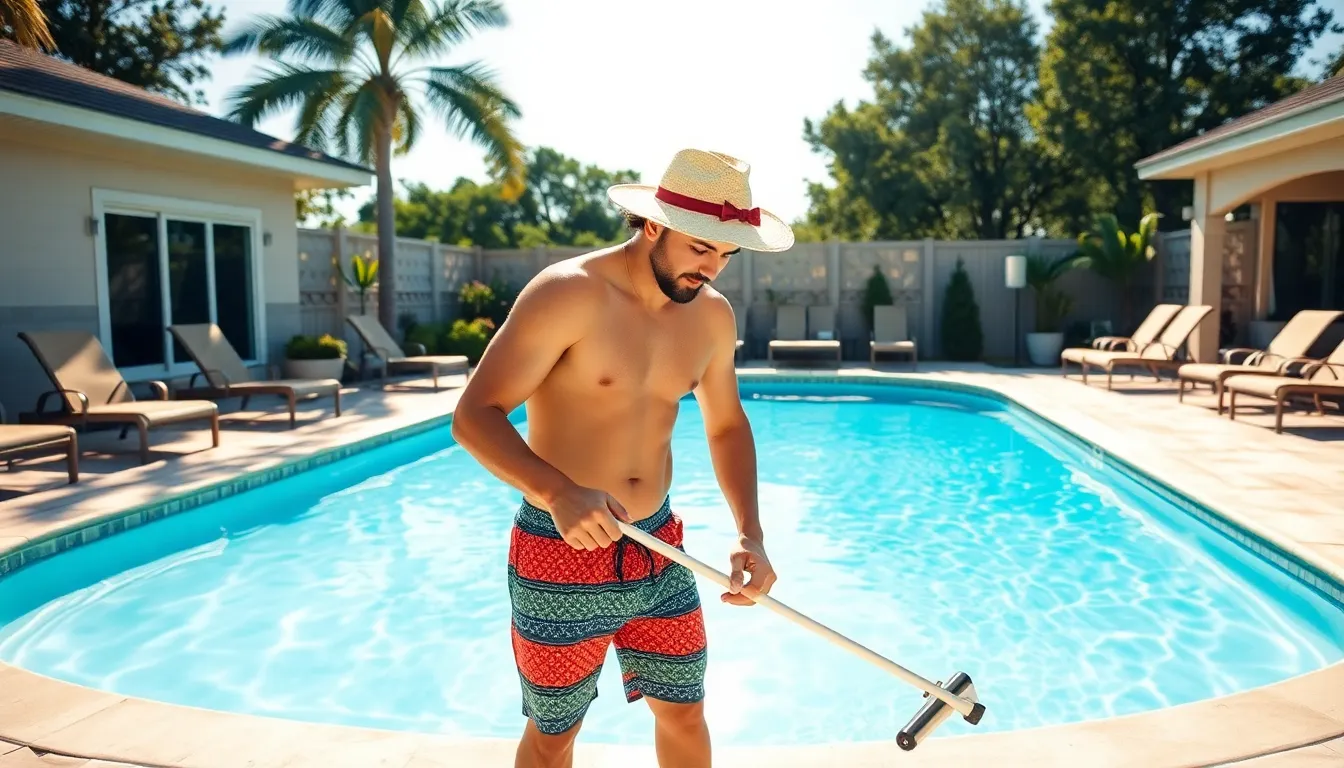
A vinyl pool can be the crown jewel of a backyard paradise, but without proper maintenance, it can quickly turn into a murky swamp that even the bravest of frogs wouldn’t dare to enter. Keeping that shimmering water clear and inviting doesn’t have to feel like rocket science or a full-time job. With a few simple tips and tricks, anyone can master the art of vinyl pool maintenance and keep their oasis looking pristine.
Imagine diving into crystal-clear water on a hot summer day, not dodging floating debris or wondering if that suspicious green tinge is a new pool feature. With the right maintenance routine, your vinyl pool can stay in top shape, ensuring every splash is a refreshing delight. So, let’s dive into the essentials of keeping your vinyl pool sparkling clean, and maybe even share a laugh or two along the way.
Table of Contents
ToggleOverview Of Vinyl Pool Maintenance
Proper maintenance of vinyl pools ensures their longevity and aesthetic appeal. Regular cleaning keeps the pool water clear and reduces algae growth. Cleaning tools include pool brushes, skimmers, and vacuums that help maintain the surface and bottom.
Testing water chemistry plays a crucial role in maintenance. pH levels should range from 7.2 to 7.8, while chlorine levels should stay between 1 to 3 parts per million. Balancing these chemicals prevents damage to the vinyl liner and promotes a healthy swimming environment.
Treating the vinyl surface requires care. Using gentle cleaning agents prevents scratches and tears. Avoiding harsh chemicals is essential since they can degrade the material over time.
Maintaining water levels also holds importance. Regularly checking that water levels are appropriate helps prevent strain on the pool pump and filtration system. Too low water can expose the vinyl liner and lead to damage.
Inspecting the pool equipment must occur frequently. Filters, pumps, and heaters should be checked for signs of wear or blockages. Timely repairs prevent costly replacements and ensure optimal functionality.
Covering the pool during winter months protects the liner from harsh weather. A winter cover prevents debris accumulation and minimizes chemical usage during the off-season.
Following these maintenance practices creates a clean and inviting pool experience. Keeping a consistent routine ensures the vinyl pool remains a source of enjoyment and relaxation.
Importance Of Regular Maintenance
Regular maintenance of vinyl pools plays a crucial role in preserving their longevity and functionality. Keeping the pool in good condition enhances the swimming experience and reduces long-term expenses.
Benefits Of Proper Care
Proper care leads to clear water and a pleasant swimming environment. Regular cleaning prevents algae growth and keeps the surface smooth, which enhances comfort. Well-maintained water chemistry ensures the pH level stays between 7.2 and 7.8, promoting a safe environment for swimmers. Maintaining appropriate chlorine levels between 1 and 3 parts per million protects the vinyl liner from damage. Investing time in routine maintenance prolongs the lifespan of the pool and its equipment, resulting in fewer costly repairs.
Consequences Of Neglect
Neglecting maintenance can lead to significant issues. Stagnant water attracts dirt, algae, and bacteria, creating an unhealthy swimming environment. Unmonitored water chemistry can result in corrosion or scaling, leading to damage to the vinyl liner. When equipment such as filters and pumps isn’t inspected regularly, wear and blockages can occur, resulting in costly repairs. Inadequate protection during winter can also compromise the vinyl surface, leading to expensive replacements. Prioritizing maintenance avoids these problems, ensuring a safe and enjoyable pool experience.
Essential Maintenance Tasks
Maintaining a vinyl pool involves crucial tasks that ensure its longevity and cleanliness. These maintenance requirements keep pools inviting and enjoyable for swimming.
Water Chemistry Management
Managing water chemistry is vital for vinyl pools. Testing the water regularly helps maintain pH levels between 7.2 and 7.8. It’s essential to keep chlorine levels between 1 to 3 parts per million to protect the vinyl liner and support healthy swimming conditions. Adjusting chemical levels accordingly prevents algae growth and maintains clear water. Using test strips or liquid kits simplifies regular testing. Properly balanced water chemistry enhances swimmer comfort while reducing wear on pool equipment.
Cleaning The Vinyl Liner
Cleaning the vinyl liner requires specific tools and techniques. Pool brushes, skimmers, and vacuums play significant roles in routine maintenance. Regularly brushing the liner eliminates dirt and algae buildup. Skimming the surface prevents debris from sinking and affecting water clarity. Using a vacuum ensures a thorough clean of the pool floor. Gentle cleaning agents are preferred to avoid scratching or damaging the vinyl surface. Consistent cleaning leads to a pleasant swimming environment and extends the liner’s lifespan.
Inspecting Equipment
Inspecting pool equipment regularly enhances functionality. Hiring a professional or performing checks personally can catch wear and tear early. Filters, pumps, and heaters require regular attention to identify blockages and maintenance needs. Monitoring equipment prevents costly repairs and ensures efficient operation. Keeping a checklist of inspection tasks simplifies this process. Proper functioning equipment contributes to a safe swimming experience and aids in maintaining water quality. Regular inspections play a key role in preserving both the pool and its components.
Common Issues & Solutions
Vinyl pools may experience various issues over time. Identifying problems early helps maintain cleanliness and extends the pool’s lifespan.
Stains On Vinyl Liner
Stains can occur due to organic matter, metals, or chemical imbalances. Algae or leaves contribute to discoloration, requiring prompt action to prevent further damage. Applying a vinyl-safe stain remover often resolves these issues. Regular scrubbing with a soft-bristle brush also helps eliminate stain build-up. Utilize a pool cleaning vacuum to remove debris that may cause discoloration. Maintaining balanced water chemistry minimizes staining, with recommended pH levels between 7.2 to 7.8. Addressing stains quickly enhances the visual appeal and overall cleanliness of the pool.
Tears Or Cracks In The Liner
Tears or cracks in the vinyl liner compromise water retention and safety. Small tears may be repaired using vinyl patches and adhesive specifically designed for pools. Regular inspections help detect potential issues before they escalate. Address noticeable scratches or cracks immediately to prevent leaks. Avoid using sharp objects near the liner to reduce the risk of damage. If damage is extensive, replacing the liner may be necessary. Ensuring a thorough check of the liner should be part of routine maintenance to avoid costly repairs and protect swimmers.
Helpful Tips For Vinyl Pool Owners
Maintaining a vinyl pool doesn’t involve overly complicated tasks. Following simple tips effectively keeps the pool pristine and inviting.
Seasonal Maintenance Checklist
Spring and fall are key seasons for vinyl pool maintenance. Checking water levels ensures proper filtration and prevents strain on equipment. Cleaning pool debris and checking for winter damage helps protect the liner’s integrity. Testing water chemistry regularly supports balanced pH and chlorine levels, which should remain between 7.2 to 7.8 and 1 to 3 parts per million, respectively. Winterizing the pool safeguards the liner from harsh weather while minimizing chemical use. Regular inspections throughout the year help identify potential issues early, prolonging the pool’s life.
Tools For Effective Maintenance
Essential tools make maintaining a vinyl pool straightforward. A good pool brush effectively removes dirt and prevents algae growth on the liner. Using a skimmer helps eliminate leaves and debris from the water surface. Automatic or manual pool vacuums assist in deeper cleaning, targeting dirt settled on the bottom. Water testing kits provide accurate readings for pH and chlorine levels, ensuring a safe swimming environment. Investing in quality tools ensures effective maintenance and a pleasant swimming experience.
Proper maintenance of vinyl pools is essential for a safe and enjoyable swimming experience. By following simple routines and utilizing the right tools, pool owners can keep their water clear and inviting. Regular inspections and timely repairs can prevent costly issues down the line.
With the right approach to water chemistry and surface care, the longevity of the vinyl liner is ensured. Seasonal checklists help streamline maintenance tasks, making it easier to stay on top of everything. Ultimately, prioritizing these practices not only enhances the swimming experience but also protects the investment in the pool.